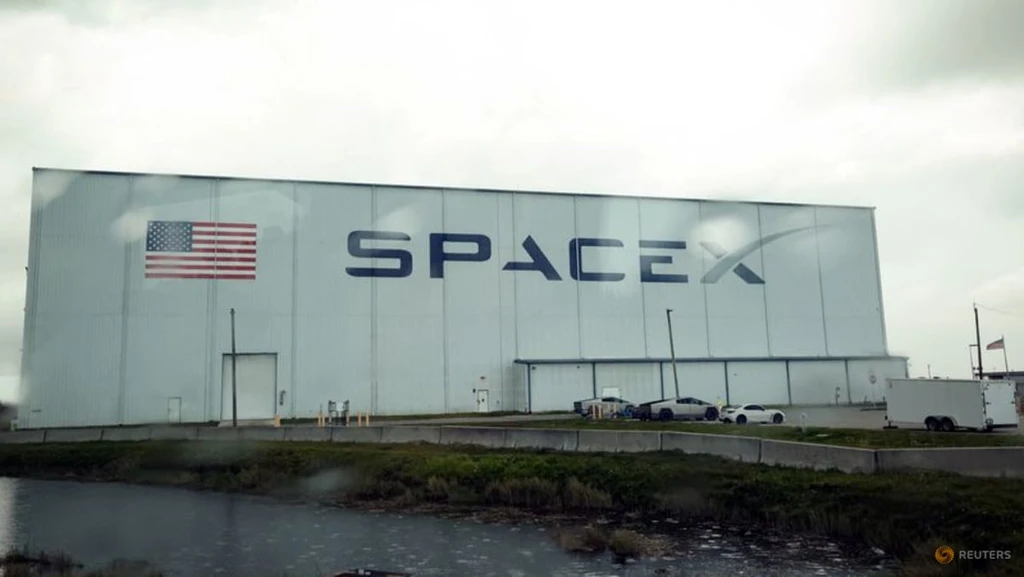
SpaceX is set to host Wall Street analysts this week for a three-day briefing, signaling a major step towards one of history's most anticipated Initial Public Offerings (IPOs). The meetings, held at its Texas launch facility and Tennessee data center, aim to secure executive buy-in for a potential $75 billion IPO, targeting a late June trading debut.
The intensive schedule includes a full-day tour of the Starbase launch facilities in Boca Chica, Texas, followed by separate sessions for institutional investors. Analysts will also review SpaceX's 'Macrohard' project at its Colossus data center in Memphis, Tennessee. Attendees are required to surrender electronic devices during the closed-door sessions.
These analyst days are a standard IPO process component, allowing companies to present their business strategies and financial outlooks. Confidential filings reveal SpaceX's financial status post-merger with Elon Musk's xAI, showing approximately $24.7 billion in cash and over $50 billion in liabilities by the end of 2025. The company reported a consolidated loss of $4.94 billion in 2025 on $18.67 billion in revenue, largely due to significant investments in xAI's artificial intelligence infrastructure, a shift from its prior year's profit.
SpaceX CFO Bret Johnsen faces the challenge of convincing analysts and investors of the company's nearly $1.75 trillion valuation. The recent merger with xAI, consolidating rockets, Starlink satellites, the X platform, and Grok AI, creates a unique conglomerate making valuation complex. Some institutional investors are reportedly using unconventional benchmarks, comparing SpaceX to AI infrastructure companies and software firms rather than traditional aerospace giants.
Elon Musk also plans to allocate a significant portion, around 30%, of SpaceX shares to retail investors, with tours of Starbase planned post-roadshow. The IPO will be accessible to international retail investors in the UK, EU, Australia, Canada, Japan, and Korea. The deal structure and retail allocation details are expected closer to the launch. A consortium of major banks, including Morgan Stanley, Bank of America, Citigroup, JPMorgan, and Goldman Sachs, are leading the offering. Musk will maintain voting control through a dual-class share structure.