
The trillion-dollar AI arms race is reshaping global tech-but not for most of the world. In India, Kenya, Argentina, and Malaysia, a quiet revolution is underway: frugal AI.
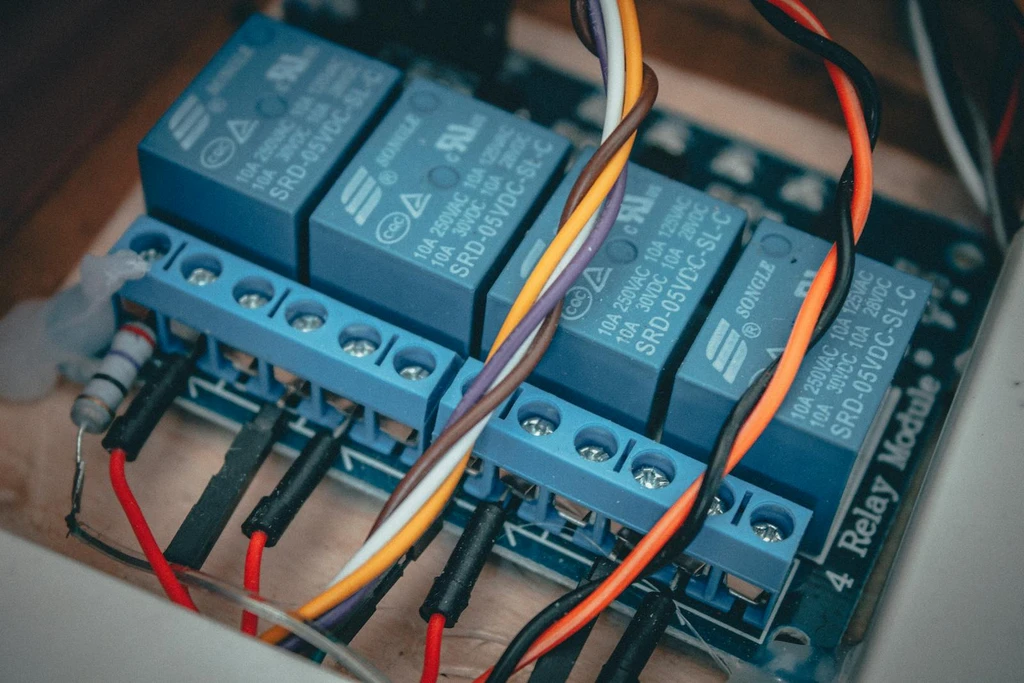
Built for sovereignty, not scale, these models run on Raspberry Pis under $50, consume minimal power, and operate entirely offline. They don’t generate photorealistic videos. But they preserve endangered languages, deliver medical triage, and empower farmers-all without sending data to U.S. or Chinese cloud giants.
The Saving Voices Project in southern India trained a speech AI on just hours of voice data from the Soliga tribe, whose language had no written script. The system, running on open-weight models and Linux, never left the community. Data stayed local. Governance stayed with elders.
Open-weight models from Hugging Face, accelerated by Meta’s LLaMA and China’s DeepSeek, now rival proprietary systems. India’s Sarvam and Adalat AI deploy purpose-built models for 22 official languages. Meanwhile, Microsoft, Google, and Amazon pour tens of billions into India’s data centers-yet local innovators are building an alternative.

Frugal AI isn’t inferior. It’s intentional. It solves real problems for real people at costs they can bear. While frontier models burn energy equivalent to entire households, frugal systems use microwatts. The environmental and ethical case is undeniable.
This isn’t a niche experiment. The Frugal AI Hub at Cambridge is expanding labs across Andhra Pradesh, Kenya, and Nigeria. Their goal: reach 500 million Indigenous people. The bottleneck isn’t money-it’s institutional will.
The future of AI may not belong to the largest models. It may belong to the most distributed.