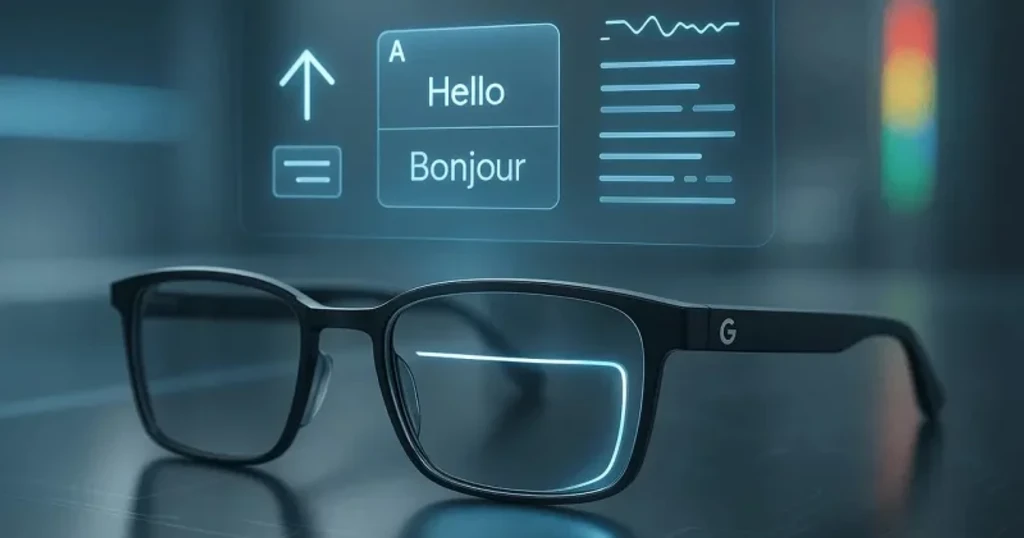
Google is gearing up to launch a new generation of smart glasses in 2026, its most significant push into wearable augmented reality since Google Glass.
The first version will be monocular, featuring a single display lens on the right side, designed to look like normal eyewear rather than bulky goggles. The glasses include a touch panel, a stem-mounted camera, and-most critically-integration with Google's Gemini AI model. Gemini allows the device to act as an active assistant that sees and responds to the user's environment in real time.
Google is also planning binocular versions for a full 3D AR experience later, but the initial launch keeps it simple with one lens.
Unlike Meta, which is producing its own Orion prototype glasses, Google is outsourcing hardware production to third-party manufacturers-the same Android playbook that made Google's mobile OS dominant.
Developer kits are already in the field, a year before the consumer release, aiming to avoid the app shortage that plagued earlier smart glasses. The Android XR platform will also power headsets and other devices, giving developers a broader incentive to build for the ecosystem.