The rapid advancement of quantum computing is forcing enterprises to urgently rethink their cryptography. While quantum computers promise breakthroughs, they also accelerate the vulnerability of current encryption methods, particularly asymmetric encryption, to algorithms like Shor's.
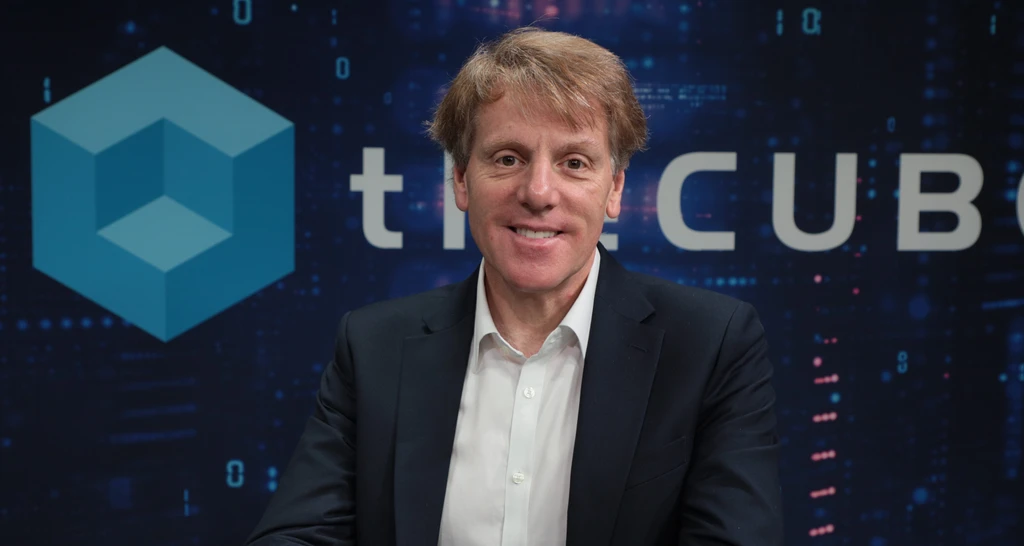
IBM's global managing partner of cybersecurity services, Mark Hughes, explained that the "store now, decrypt later" threat is driving a move toward quantum-resistant architectures. The initial step involves a comprehensive discovery phase to identify all existing cryptography within an organization's hardware and software.
Following discovery, the strategy shifts to migration and encapsulation. This includes replacing traditional public key infrastructure with four quantum-resistant algorithms and using "quantum-resistant shells" for deeply embedded encryption. This consolidation aims to move away from managing numerous disparate security tools toward a unified security fabric.
Concurrently, artificial intelligence is transforming cybersecurity operations. Agentic AI allows for automated responses to security alerts, while "ambient AI" focuses on enterprise-wide orchestration. This approach integrates security across the entire IT estate, ensuring defenses remain adaptive and aligned with future quantum-safe requirements. IBM is set to launch a new AI approach for cybersecurity to orchestrate outcomes across enterprise environments.