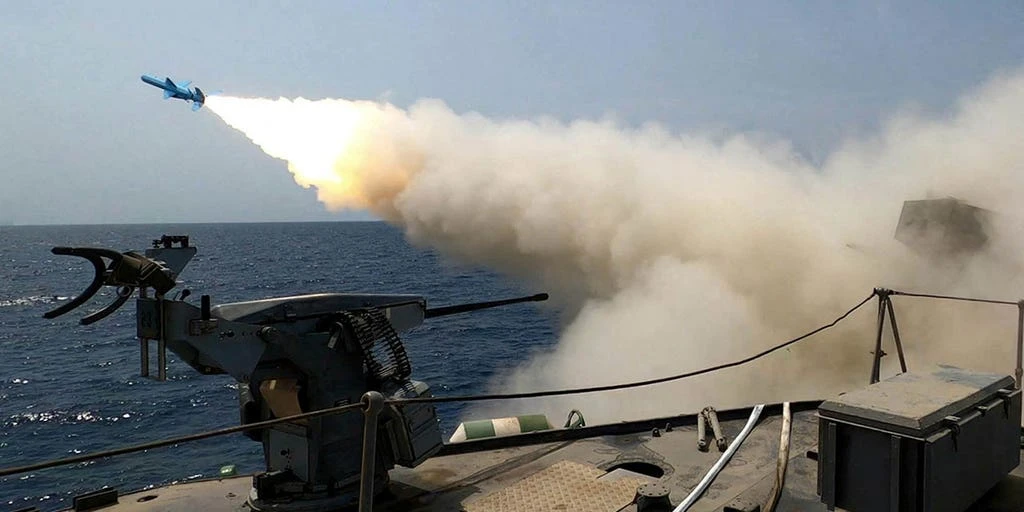
Iran’s military is not built to win a conventional war against the U.S. or Israel-it is engineered to survive one.
Since the start of Operation Epic Fury, over 9,000 targets have been struck, including missile sites, naval assets, and IRGC command centers. U.S. officials report an 86% drop in ballistic missile launches and a 73% decline in drone attacks. Yet analysts warn the regime still retains roughly a third of its missile inventory-enough to threaten targets beyond 2,000 kilometers.
At its core, Iran maintains a dual military structure: the conventional Artesh army and the ideologically driven Islamic Revolutionary Guard Corps (IRGC). The IRGC controls the majority of funding, advanced weaponry, and foreign proxy operations through its Quds Force-supporting Hezbollah, Hamas, and the Houthis across the Middle East.
Iran’s naval power, though diminished, remains a disruptive force. Over 140 vessels have been damaged, yet its fast-attack craft, mines, and anti-ship drones continue to threaten maritime traffic in the Strait of Hormuz-not by closing it, but by selectively intimidating shipping lanes.
Air defenses and aircraft have suffered under sustained strikes, but Iran never relied on air superiority. Its strength lies in layered missile systems, underground facilities, and drone swarms.
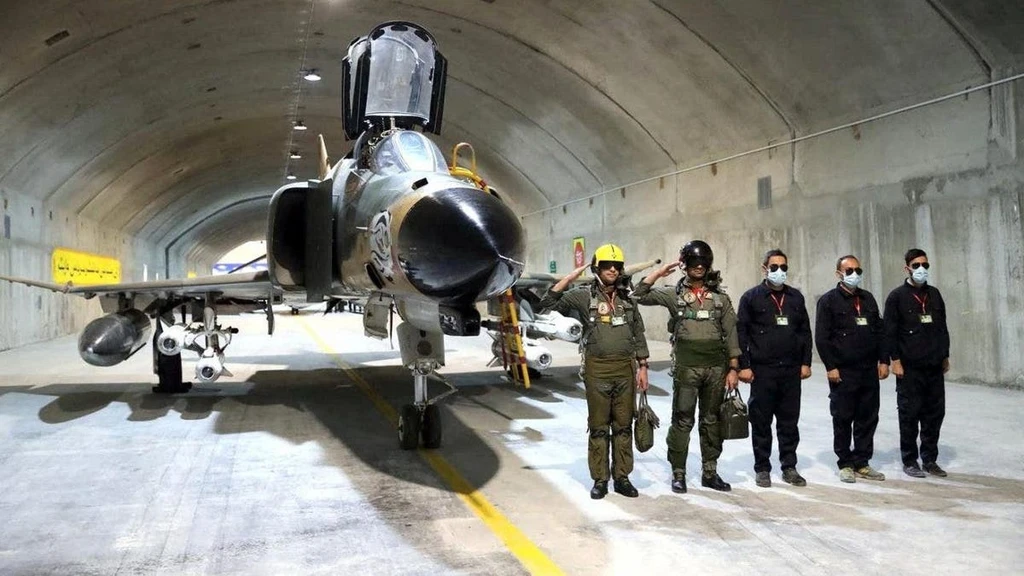
Ground forces remain largely untouched. With tens of brigades intact and increasingly deploying drones, Iran’s conventional military is poised for defense, not invasion.
The regime’s survival hinges on asymmetry, redundancy, and regional destabilization. Even degraded, Iran’s military endures as a persistent, strategic threat to global security.