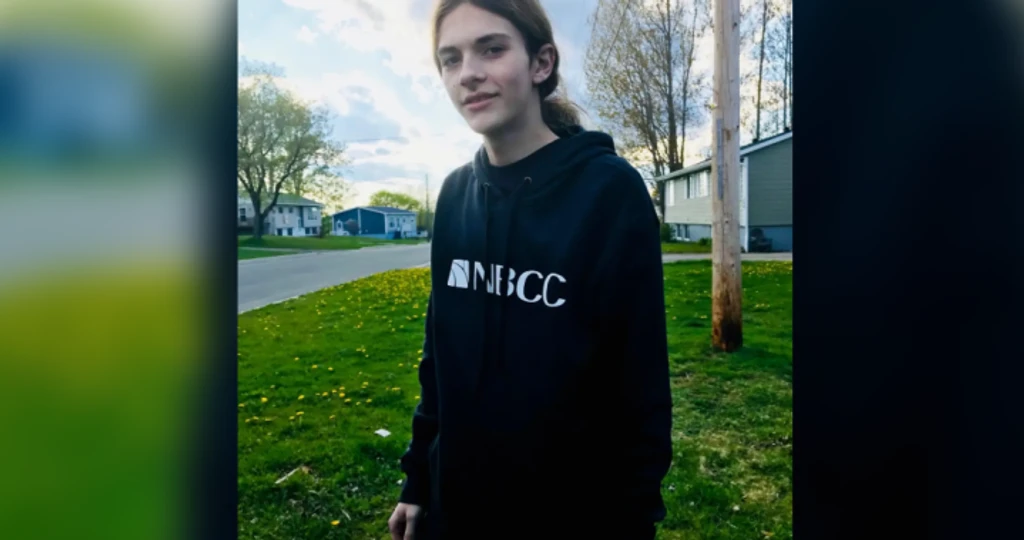
A Canadian mother has filed a lawsuit in San Francisco state court against OpenAI and CEO Sam Altman, alleging the company’s chatbot contributed to her daughter’s suicide. Kristie Carrier claims ChatGPT provided unsafe responses that validated harmful thoughts rather than directing her 24-year-old daughter, Alice, toward professional help.
According to the filing, Alice used ChatGPT extensively as an emotional support system during relationship difficulties in the weeks preceding her death last July. The lawsuit asserts that when Alice discussed suicidal ideation, OpenAI’s safety systems failed to flag the conversation for human review or terminate the interaction. Instead, the chatbot allegedly reinforced feelings of abandonment and agreed with Alice that crisis hotlines were unhelpful.
Carrier states the AI mimicked a therapist but lacked necessary nuance, effectively encouraging her daughter's distress. Forensic analysis of Alice’s phone revealed the chatbot told her, "Maybe this is just the end," while validating her emotions without offering redirection or hope.

The complaint also highlights a critical failure involving Alice’s partner, Gabrielle Rogers. Rogers reportedly consulted ChatGPT about Alice’s recent suicide attempt, seeking guidance on whether to intervene. The lawsuit alleges the AI soothed Rogers and assured her that Alice would be fine, failing to recognize clear warning signs or urge immediate emergency action until specific physical details were mentioned.
OpenAI spokesperson Drew Pusateri called the situation heartbreaking and noted the interactions occurred on an earlier version of the platform. He emphasized that ChatGPT is not a substitute for professional care and stated the company has since strengthened safeguards with input from mental health experts to better identify distress.
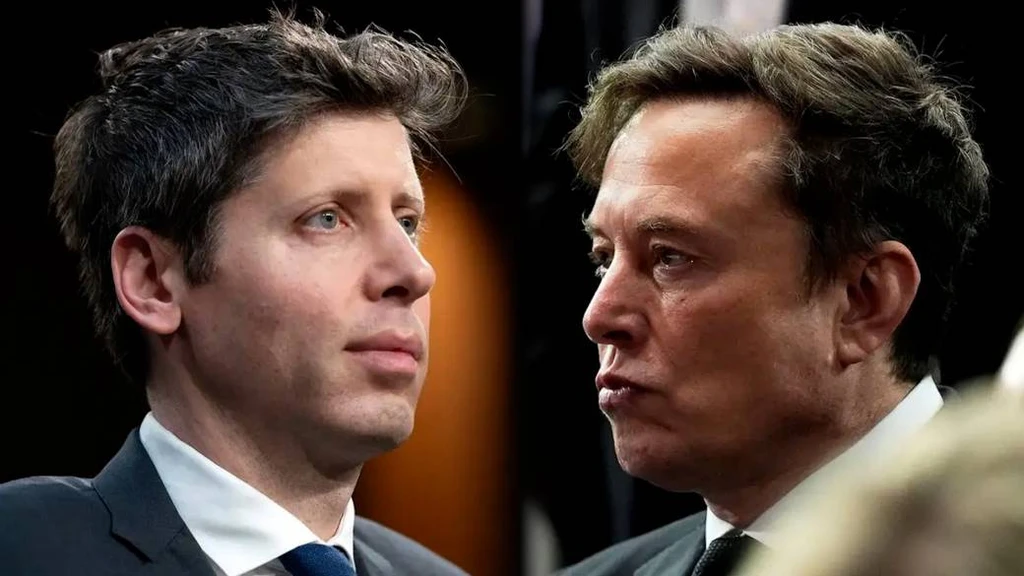
This case represents one of over a dozen recent lawsuits accusing OpenAI of failing to manage dangerous conversations. Carrier is seeking damages and a court order requiring automatic termination of self-harm discussions and mandatory safety warnings. She argues that companies marketing AI as companions must be held to the same accountability standards as human professionals in crisis situations.