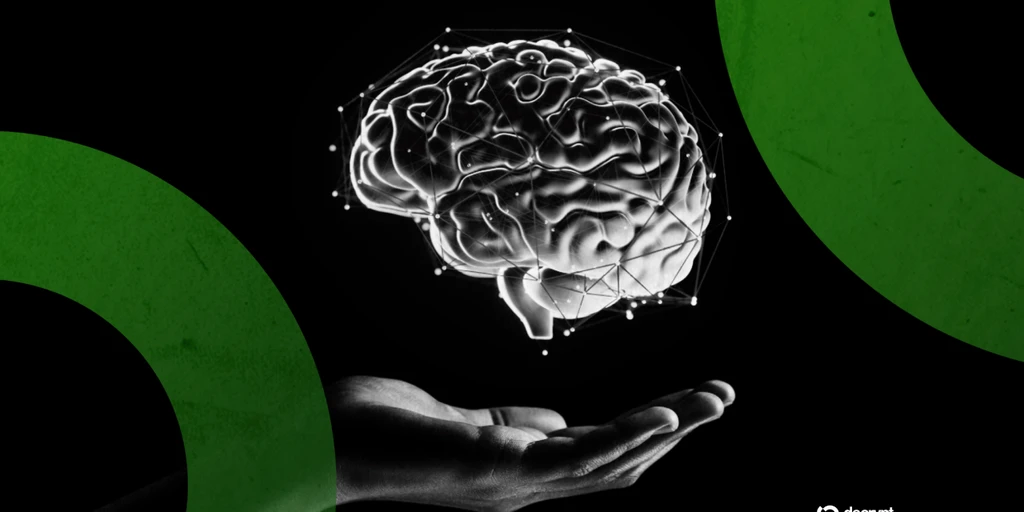
Meta has introduced Brain2Qwerty v2, an artificial intelligence system capable of translating brain activity into text without surgical implants.
The system uses a magnetoencephalography scanner-a non-invasive helmet-to record neural signals while a person types. An end-to-end deep learning model then reconstructs the intended sentences from these raw brain signals, using semantic context to interpret noisy data.
Brain2Qwerty achieved an average word accuracy of 61%, a dramatic leap from the roughly 8% accuracy of previous non-invasive methods. The model was trained on 22,000 sentences recorded from nine volunteers over 10 hours each.
Meta argues this non-invasive approach achieves accuracy levels previously requiring surgically implanted electrodes. This advancement aims to bridge the gap between invasive neuroprosthetics and accessible communication aids for individuals who have lost the ability to speak due to brain lesions.
Meta is releasing the training code for its models and supporting open neuroscience research through a dedicated fund.