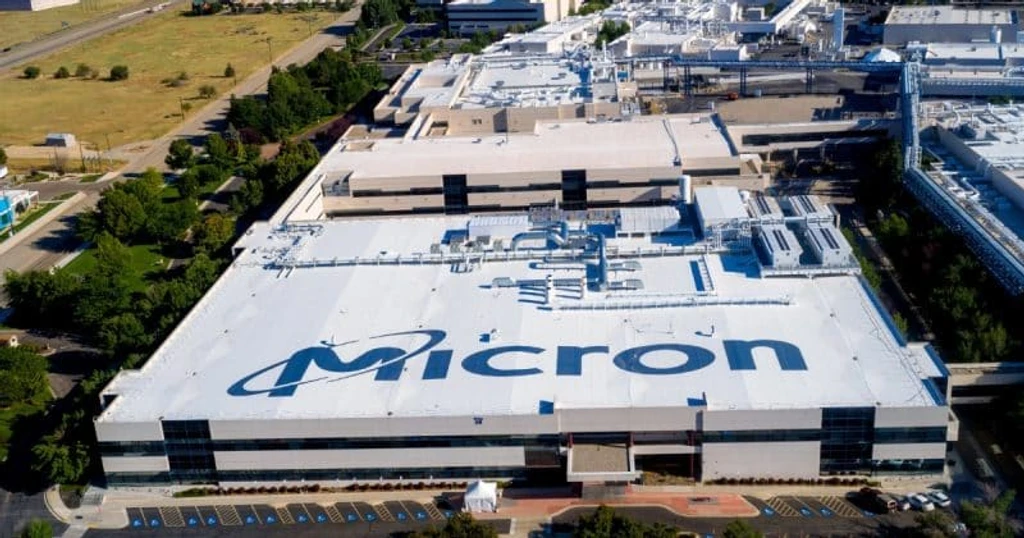
Micron Technology has broken ground on a ¥1.5 trillion expansion of its semiconductor facility in Higashihiroshima, Japan. The investment, valued at approximately $9.3 billion, represents one of the largest single-site memory chip investments in recent history.
The construction project, which launched on July 4, is expected to take two years. First chip shipments are targeted for summer 2028. The facility will focus on producing high-bandwidth memory (HBM), the specialized chips required to power the rapidly expanding global network of AI data centers.
This Hiroshima site holds strategic value for Micron, as the company produced its first HBM wafer here. The expansion aims to close the competitive gap with market leaders SK Hynix and Samsung.
Japan's government is heavily subsidizing the move. The Ministry of Economy, Trade and Industry is providing over ¥500 billion, or roughly $3 billion, to support the project. This aligns with Japan's national strategy to rebuild domestic semiconductor supply chains, a push that also includes TSMC's new fab in Kumamoto and the state-backed startup Rapidus.
For investors, the risks are mitigated by the large government subsidy, which covers approximately a third of the capital expenditure. Success will hinge on Micron proving its HBM technology can compete with SK Hynix's offerings before the 2028 production ramp begins.