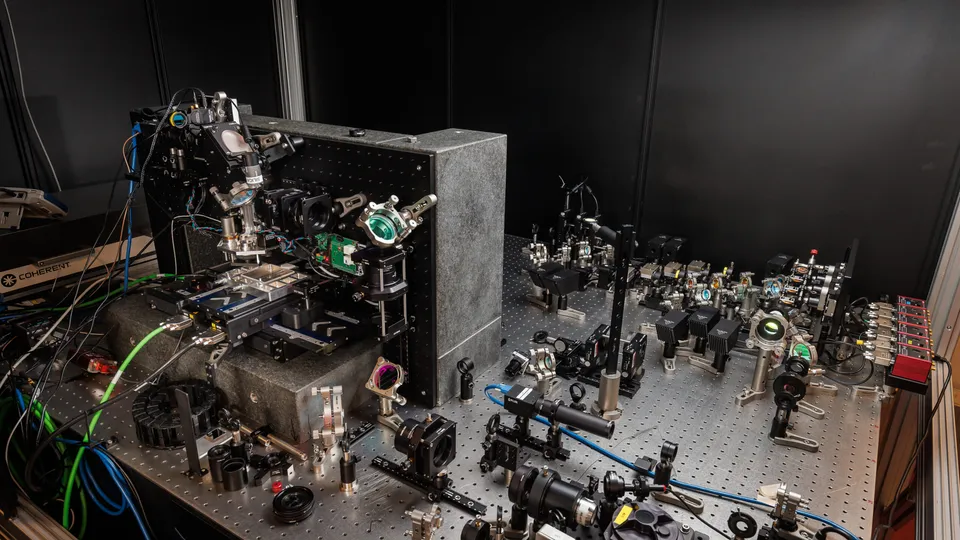
Microsoft Research has demonstrated a groundbreaking approach to long-term data archival: storing information on glass. Project Silica uses femtosecond lasers to etch data into small glass slabs, achieving a density of over a megabyte per cubic millimeter. This method offers extreme stability, resistance to environmental factors, and requires no energy to maintain stored data.
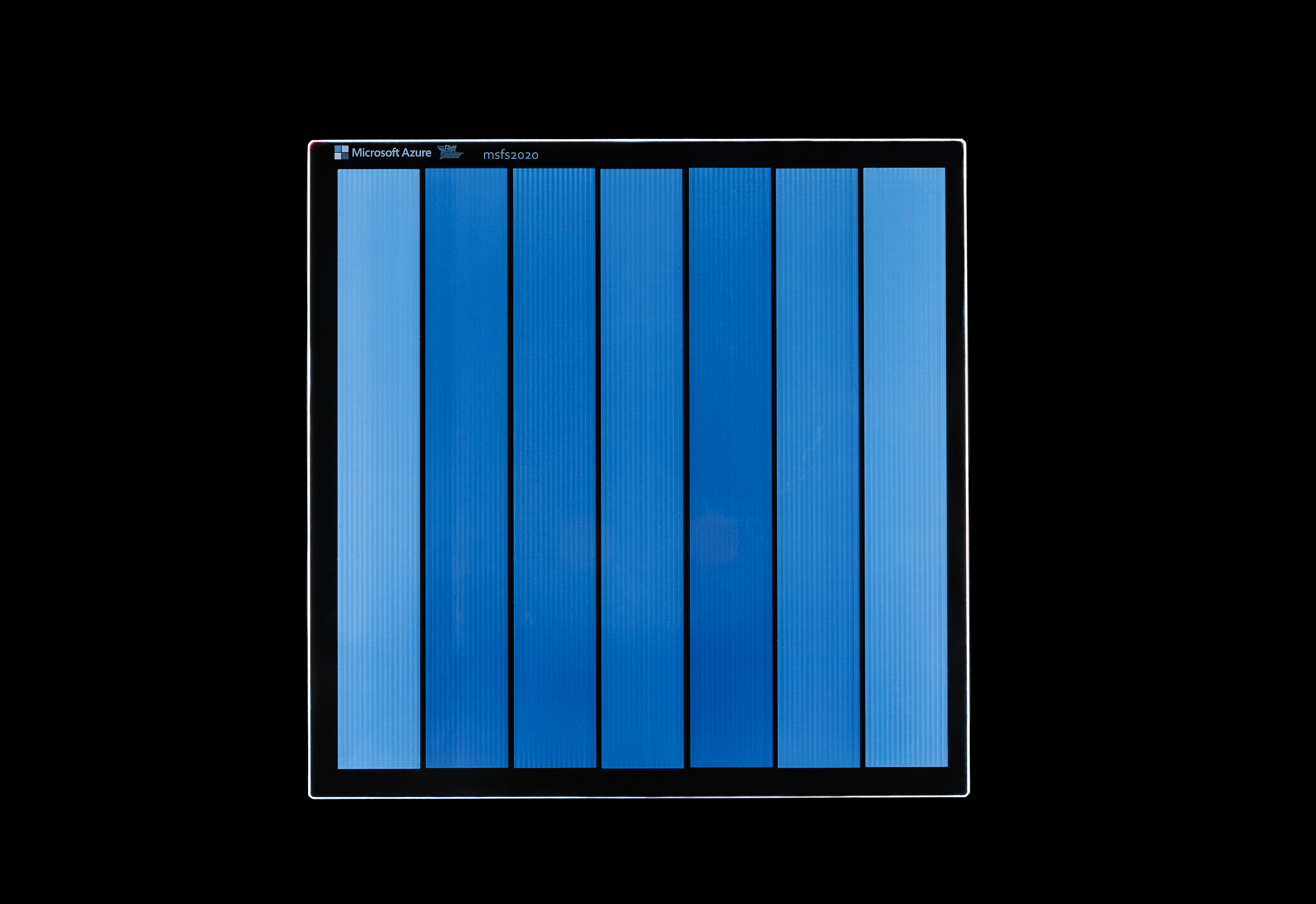
The system writes data by creating microscopic structures within the glass. These structures can store multiple bits per unit, utilizing either birefringence or variations in refractive effects. A specialized microscope coupled with an AI system interprets these etched patterns. Error correction is applied using low-density parity-check codes, similar to those used in 5G networks.
While writing speed remains a bottleneck, with current speeds at 66 megabits per second, a single glass slab can hold up to 4.84 terabytes. Accelerated aging tests suggest data stored on borosilicate glass could remain intact for over 10,000 years at room temperature. Project Silica promises an energy-efficient and durable solution for archiving vast amounts of digital information.