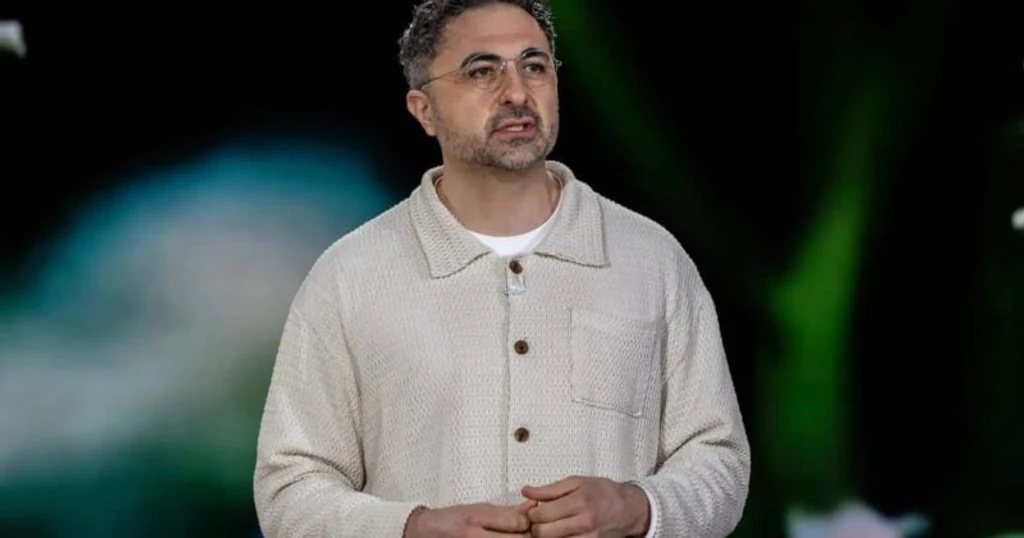
Microsoft AI CEO Mustafa Suleyman has a stark warning for professionals who spend their days at a computer: Your job could soon be fully automated. He predicts that within 12 to 18 months, AI will match human performance in nearly all white-collar tasks, effectively replacing workers in accounting, legal, marketing, and project management. These roles, he argues, are most vulnerable because they rely on structured inputs and measurable outputs.
Suleyman envisions a future where building an AI model is as simple as starting a blog, pushing for individualized workplace AI solutions. His comments align with Microsoft's strategic push to lead in enterprise automation, competing with Google, Amazon, and startups for corporate contracts.
Yet, current data paints a more gradual picture. A 2025 Thomson Reuters report shows AI tools are actively used in legal and accounting workflows, but mass job displacement has not occurred-lawyers and accountants still review AI outputs and make judgment calls. Challenger, Gray & Christmas reports about 49,135 AI-related job cuts, with Microsoft cutting 15,000 jobs last year, though not solely due to AI.
Full automation-where AI handles a tax return or marketing campaign without human oversight-requires not just technical capability but regulatory approval, client trust, and institutional willingness. Regulated fields mandate human supervision. For workers, the risk is gradual: ten accountants become seven, then four. For investors, Suleyman's forecast positions Microsoft AI as the automation leader, a significant competitive advantage.