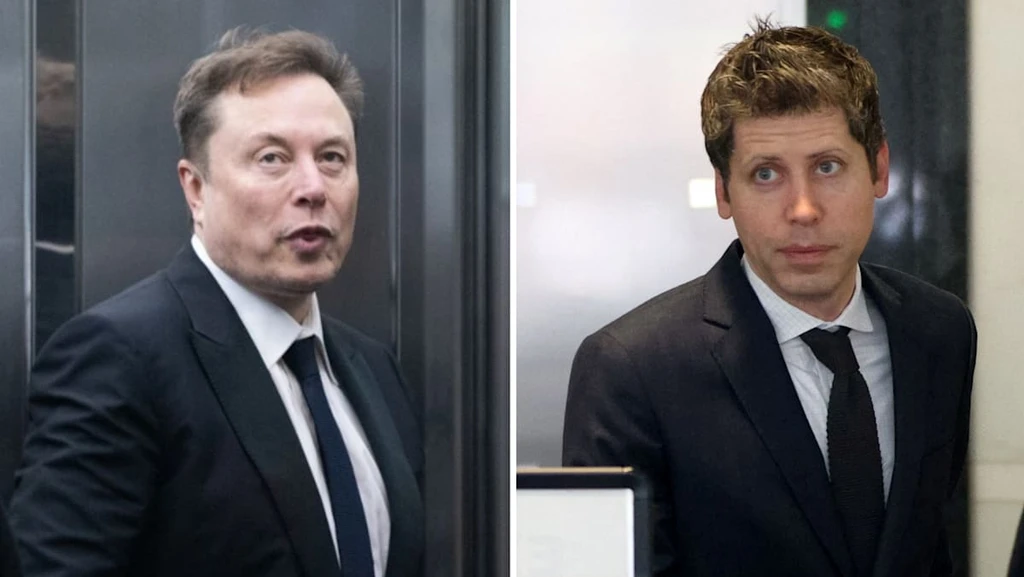
A blockbuster legal battle between Elon Musk and OpenAI concluded Monday with a US jury ruling that Musk waited too long to file his lawsuit against CEO Sam Altman and president Greg Brockman.
At the heart of the case was Musk’s accusation that OpenAI betrayed its founding mission as a nonprofit dedicated to safe AI for humanity. Musk, a co-founder who invested $38 million, argued the company’s shift to a for-profit structure violated its charitable purpose and sought $150 billion in damages.
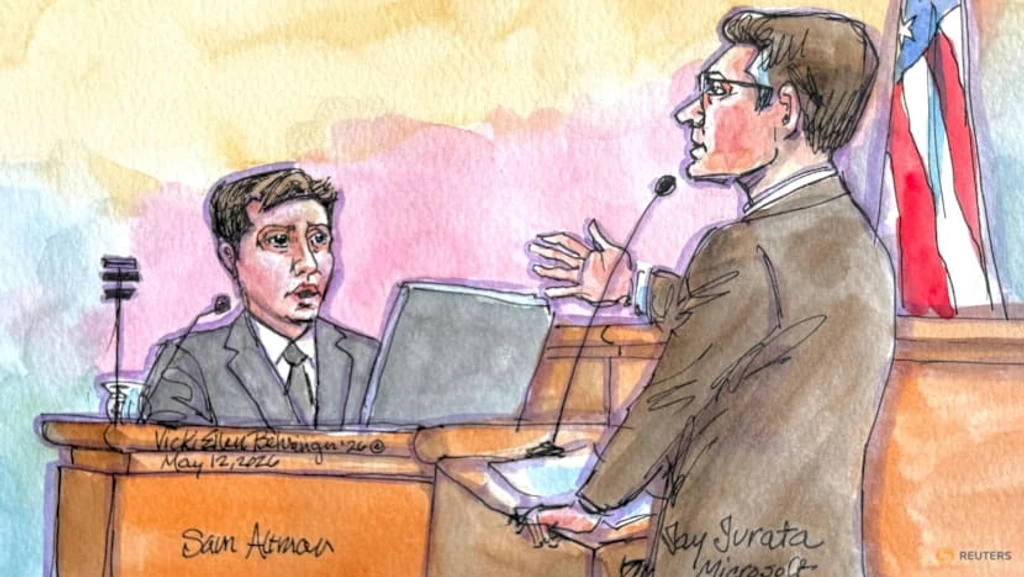
OpenAI countered that Musk knew of the for-profit plans and was motivated by a desire to control the company. Altman testified Musk once demanded 90% equity and resisted shared governance.
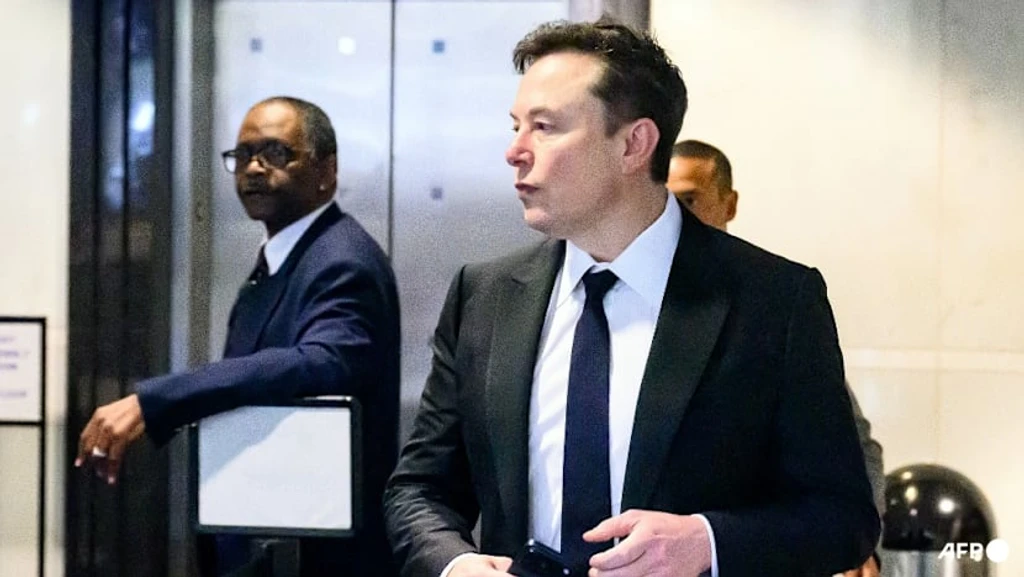
The trial featured dramatic testimony, including Musk calling himself a “naive idealist” and “an idiot” for his early contributions. Brockman’s old journals revealed internal tensions about money and governance.
Shivon Zilis, mother of four of Musk’s children and a former OpenAI board member, was accused of being a mole for Musk but testified with sarcastic brevity.
The jury’s ruling did not address whether OpenAI abandoned its mission. It relied on the statute of limitations. Musk has vowed to appeal.
Analysts say the decision clears the way for OpenAI to pursue an IPO potentially valuing the company at $1 trillion, though Altman’s reputation took a hit.
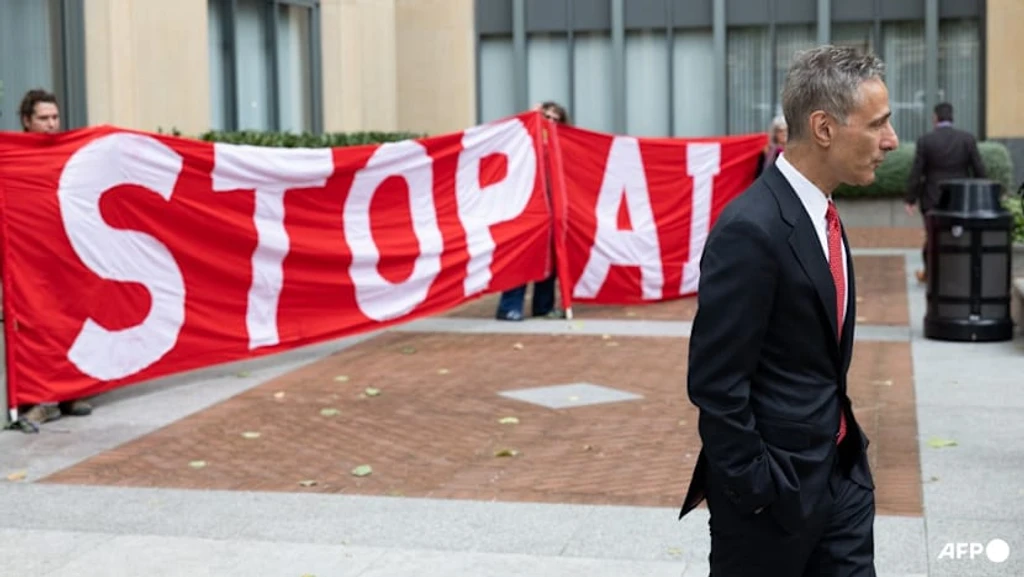
The case exposed deeper fault lines: can mission-driven AI companies maintain ideals once billions in capital are involved? And who should control technologies as powerful as artificial general intelligence?