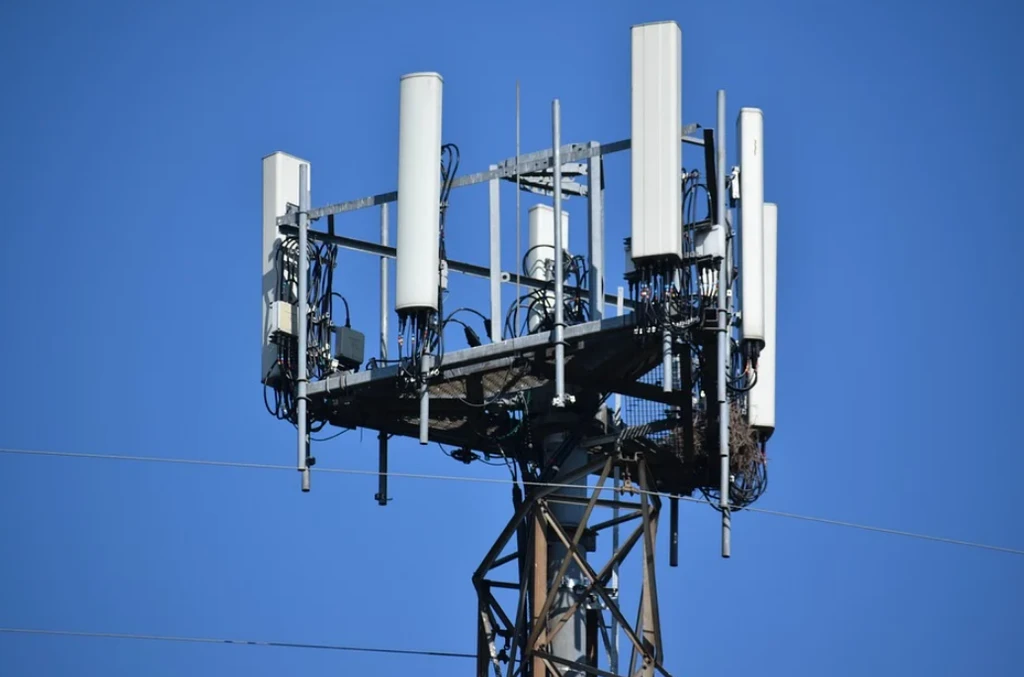
Ahead of MWC Barcelona, Nvidia announced its commitment to build 6G on open, secure, and AI-native platforms. This initiative aims to bring software-defined networking to the future of telecommunications.
While 5G enabled bandwidth for the metaverse, the focus has shifted to artificial intelligence. The potential for AI and autonomous machines across networks significantly increases demands for switching and traffic. The current 5G Advanced evolution will enhance early 5G deployments, making them more capable and programmable.
Operators can tune these networks using software-defined networking, allowing AI and machine learning to improve energy efficiency and coverage capacity, while supporting new devices. This evolution is expected to lead to 6G, with commercial launches around 2030 and trials beginning in 2028.
6G wireless networks are poised to accelerate advancements in physical AI, enabling millions of autonomous machines, sensors, vehicles, and robots to interact with the real world. "AI is redefining computing and driving the largest infrastructure buildout in human history - and telecommunications is next," stated Jensen Huang, founder and CEO of Nvidia. "Together with a global coalition of industry leaders, Nvidia is building AI-RAN to transform the world’s telecom networks into AI infrastructure everywhere."
AI-RAN, or artificial intelligence radio access networking, represents the next architectural evolution, incorporating AI-driven networking that continuously evolves through software for real-time intelligence and faster advancement.
Nvidia has partnered with leading operators and infrastructure providers, including Booz Allen Hamilton, BT Group, Cisco Systems, Deutsche Telekom, Nokia, and T-Mobile US, to build open and trusted wireless platforms. "As 6G becomes the backbone of the AI era, telecom will serve as the nervous system of the digital economy," noted Srini Gopalan, CEO of T-Mobile.
To support this technological advancement, Nvidia announced new AI-RAN collaborations with T-Mobile US, SoftBank, and Indosat Ooredoo Hutchison. These partnerships aim to commercialize AI-RAN products, featuring solutions like Quanta Cloud Technology systems, WNC Corp.'s AI-optimized radio units, and Eridan Communications' O-RU.
Autonomous networks, defined as intelligent, self-managing telecommunications operations, will require large language models and reasoning systems to automate networks internally. Nvidia proposes that agentic AI will need to run using specialized telecom network models for inter-network communication and simulation.
Nvidia unveiled its Nemotron-based large telco model (LTM), along with a guide for building agents for network operations and an operations blueprint. These blueprints address energy savings, network configuration with multi-agent orchestration, and advanced autonomy.
The Nemotron framework is open, offering telcos transparency into its training data and methodology, which Nvidia argues enables secure, fast on-premises deployment. Nvidia and Tech Mahindra have also published an open-source guide for operators on fine-tuning domain-specific reasoning models and building agents for network operations center workflows.