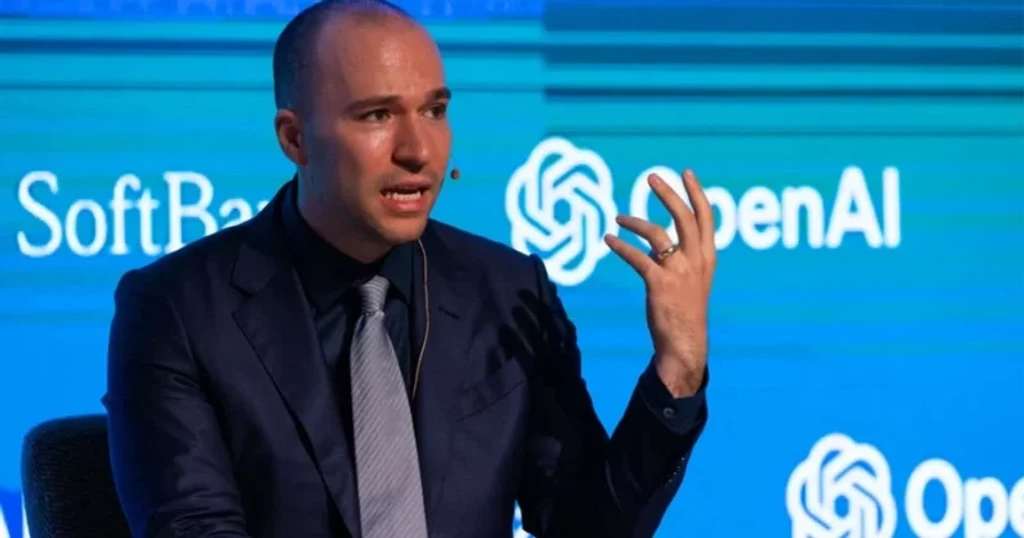
When OpenAI launched in 2015 as a nonprofit, the goal was safe artificial general intelligence for humanity. A decade later, co-founder Greg Brockman holds a $30 billion personal stake in what is now a Delaware public benefit corporation.
Brockman's testimony in the Musk v. OpenAI lawsuit, along with diary entries from 2018 and 2019, reveals that the original nonprofit structure could not sustain the economic demands of cutting-edge AI research. The critical resource was compute-raw processing capacity-not talent or ideas.
This realization led to the creation of OpenAI LP in 2019, a capped for-profit subsidiary that attracted $1 billion from Microsoft, later ballooning to over $13 billion. By 2025, OpenAI had fully transformed into a public benefit corporation, severing nonprofit control over the for-profit arm.
Brockman disclosed his $30 billion stake during testimony on May 4, 2026. Diary entries also reveal internal conflicts over Musk's demand for controlling interests in any profit-driven entity OpenAI might create.