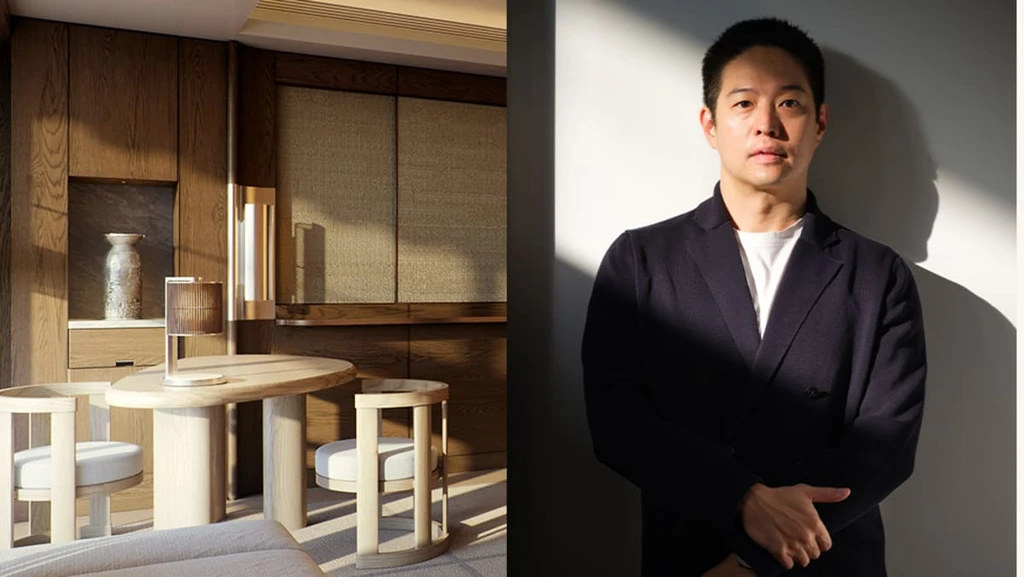
Singapore-based designer Robert Cheng, founder of Brewin Design Office, is known for his work on projects like the Capella hotel in Kyoto. Educated at the Rhode Island School of Design, Cheng values materiality and craft as fundamental to design. However, he increasingly seeks to integrate machine-made elements into his work without sacrificing craftsmanship's spirit.
Cheng confronts clients who present Pinterest boards expecting replication, stating he is prepared to "lose jobs" to maintain his design integrity. He stresses that clients approach him for his distinct modern, contemporary aesthetic and expertise in crafting with materials like wood. He is not a "photocopying machine" but rather creates original designs that others aspire to emulate.
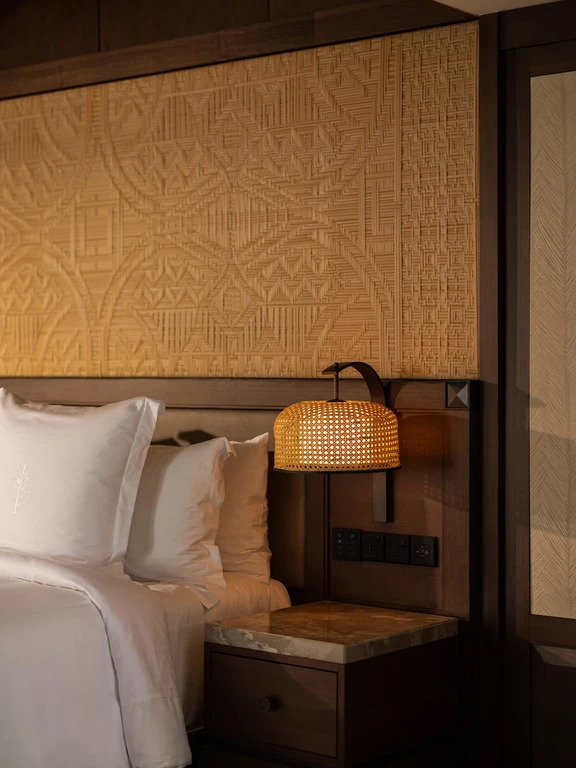
His portfolio includes bespoke headboards for the Four Seasons Hotel Langkawi, featuring collaborations with Indonesian artisans BYO Living and motifs inspired by traditional patterns. For a home at Nassim Park Residences, he incorporated Jade Green Marble Onyx columns as sculptural partitions. At Hong Kong's Michelin-starred Ando restaurant, roughened black plaster walls add a tactile, earthy sensibility.
Cheng observes that craft has become a dominant narrative in design over the last decade, a return after an era focused on modernism and machine-made environments. He believes craft is an intrinsic part of Brewin Design Office's DNA and emphasizes the importance of understanding machine-made solutions to achieve a crafted result. For instance, fireproof doors in Japan are clad in realistic timber-lookalike films.
He defines craft as encompassing both the artisan's creation and the appreciation of an object's making, whether by hand or machine. "I think both are jointly important."
The Capella Hotel Kyoto project, in collaboration with architect Kengo Kuma, transforms a former elementary school. Interiors feature hand-applied plaster walls, carved timber joinery inspired by traditional merchant chests, and shoji-style panels. Collaborations include custom headboards with Kyoto's Hosoo Textiles and artist Daichiro Shinjo, and traditional noren curtains designed by Dutch artist Mae Engelgeer.
Cheng highlights the "golden triangle" of owner, designer, and maker, citing his long-standing relationship with Evan Kwee of Capella Hotel Group. This collaborative approach is central to successful projects.
Looking ahead, Cheng is designing Capella hotels in Shenzhen and Nanjing, noting contrasts in working cultures. Japan's approach is detailed and potentially ambiguous, while China excels in producing high-quality machine-made items. He is inspired by Shenzhen's rapid growth, aiming to integrate its modern status with its fishing village past. His approach emphasizes capturing authentic narratives and understanding the "why" behind each project. Cheng's diverse international background has shaped his design philosophy, underscoring the importance of communication and authenticity in his work.