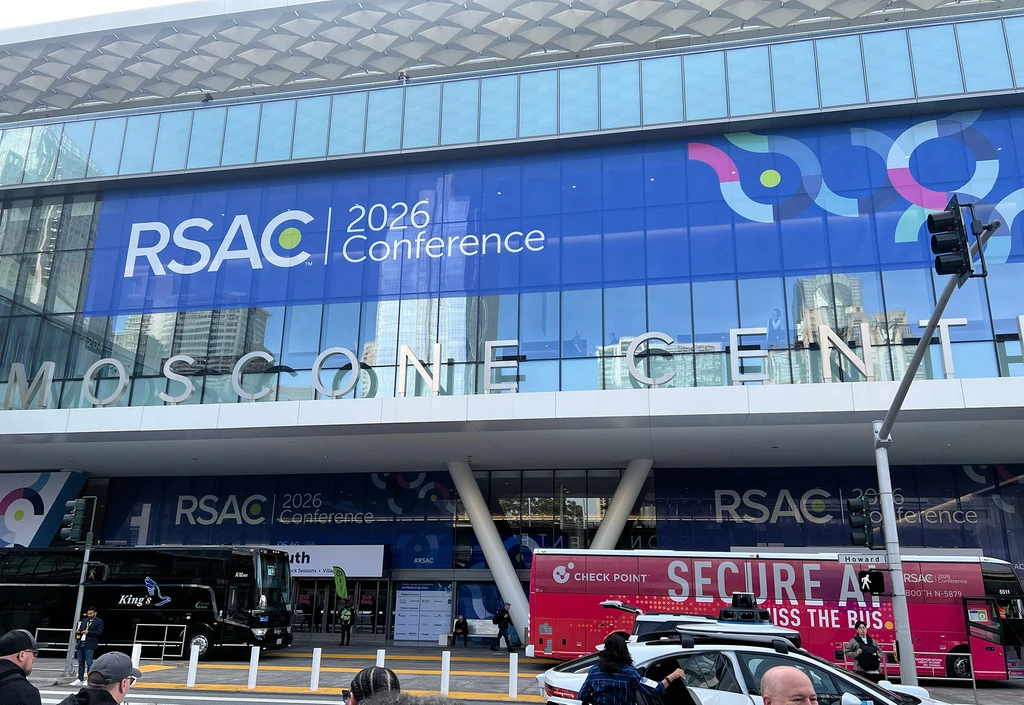
At the RSAC 2026 Conference, the cybersecurity community faced a new reality: the rapid enterprise adoption of agentic AI and autonomous automation demands a shift from prevention to adaptation.
RSAC Chief Executive Jen Easterly emphasized the need for trust in a world undergoing unprecedented technological change. Practitioners and vendors alike are rethinking workflows, especially around data exposure and agent-driven risks.
Vendors like Spektion Inc. and Sentra Inc. unveiled tools that monitor agent data and risk exposure in real time. Cribl Inc. optimized data flow through federated search engines, enabling natural language queries and automated workflows.
Dropzone AI Inc. introduced autonomous SOC hunting tools to compress threat hunts from hours to minutes. Ridge Security Inc. uses multiple agents for verification, combating hallucinations in AI-driven penetration testing.
GitGuardian SAS reported on rising secrets sprawl, highlighting the need for continuous scanning of credentials and code vulnerabilities. Socket Inc. warned of self-replicating threats like Trivy and CanisterWorm.
EnQase showcased quantum-safe computing solutions, preparing enterprises for a post-quantum future by 2029. Mobile security gained attention with Approov Ltd. and Appdome Inc. introducing agent-powered attestation and remediation tools.
Airrived Inc. and Pathlock Inc. presented governance strategies for agent execution and human/non-human identity management. Firemon LLC offered network policy controls to reduce disruptions while enhancing security.
The consensus? Enterprises must evolve beyond reactive defense, integrating AI as both a threat vector and a strategic enabler.