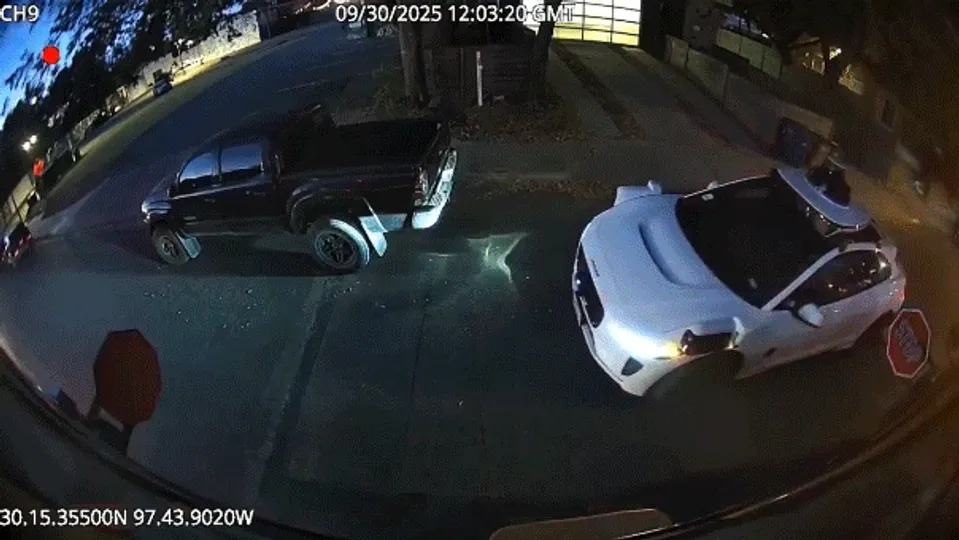
Driverless robotaxis are now a reality in several U.S. cities, offering a stark contrast to traditional ride-sharing services. A Waymo ride in San Francisco averages $8.17, significantly less than a human-driven Uber's $17.25. This marks the start of a robotaxi price war.
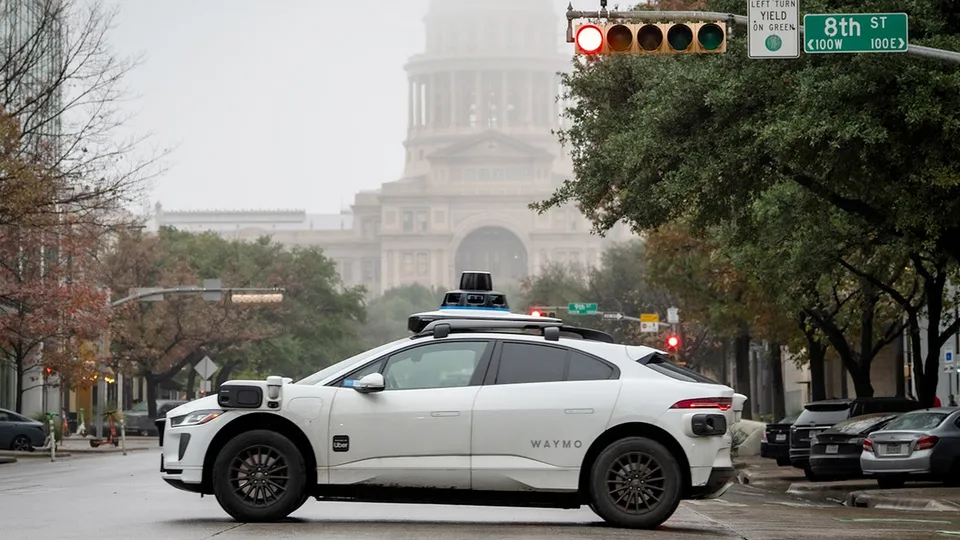
Waymo, owned by Google's parent Alphabet, leads the autonomous ride-hailing market. The company provided 15 million driverless rides in 2025 and is expanding rapidly across cities like Phoenix, San Francisco, and Los Angeles, with global expansion planned for 2026. Tesla, despite launching in Austin, operates with a much smaller fleet and still requires safety monitors on some trips.
Zoox, backed by Amazon, is also a notable player. Its unique, steering-wheel-free pods offer free rides in Las Vegas and San Francisco as it awaits commercial approval.
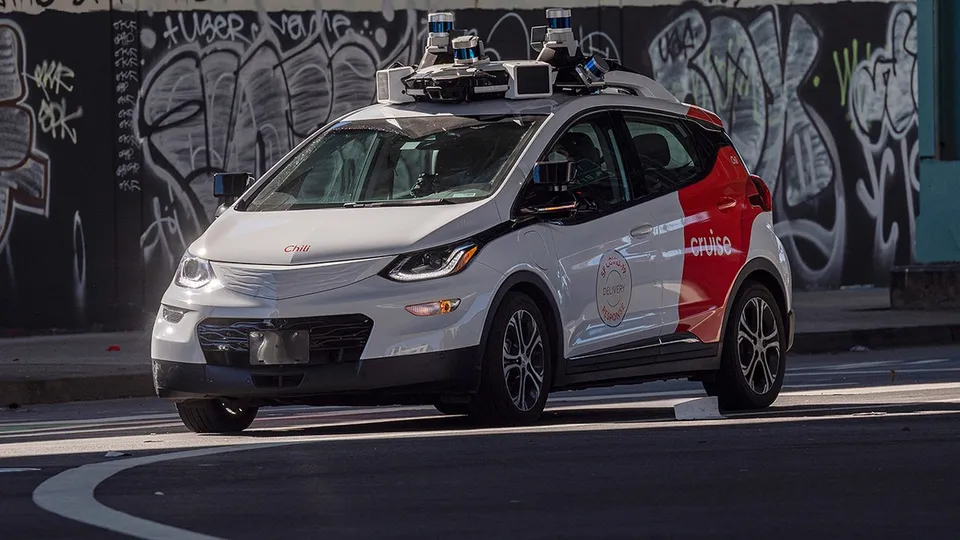
These vehicles utilize advanced sensor technology. Waymo employs cameras, lidar, and radar for navigation in various conditions, while Tesla relies solely on cameras. This technological approach impacts cost and service capabilities.
Safety remains a critical concern. While Waymo reports significantly fewer injury crashes than human drivers, regulatory bodies have logged incidents, including software recalls. Tesla has also reported crash incidents since its launch.
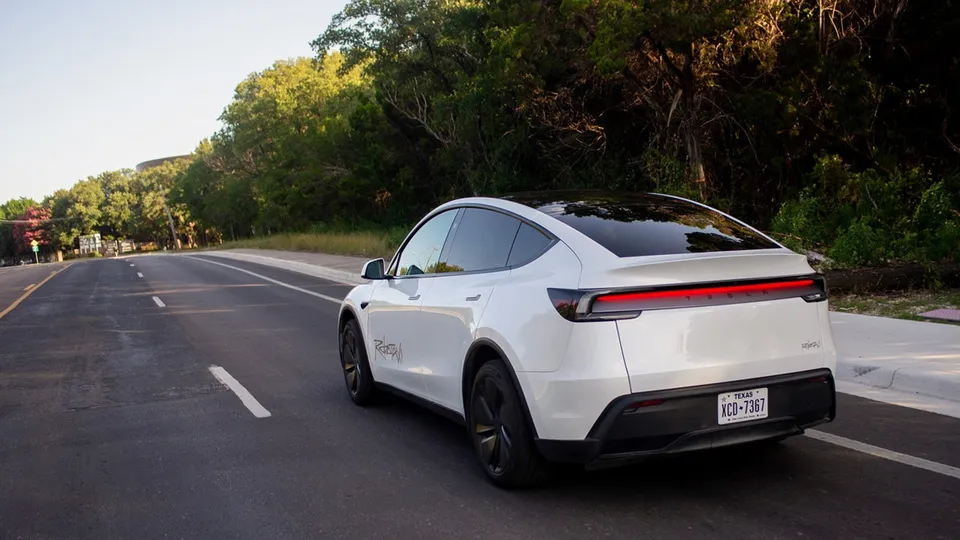
The operational model of robotaxis involves remote human supervision for complex situations, with some remote operators located internationally. The efficiency of autonomous vehicles, running for over 15 hours daily compared to the 95% parked time of personal cars, suggests a future where car ownership may decline.