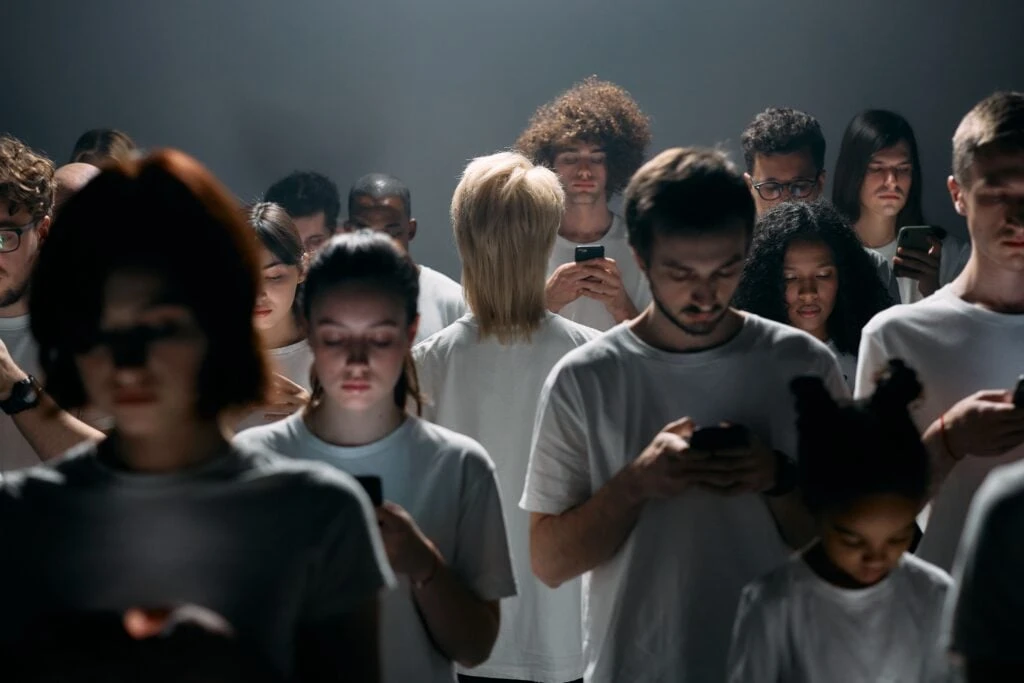
The vibrant debates and trends dominating your social feed are crafted by a fraction of users. Research consistently shows a severe participation inequality across platforms.
The so-called 90-9-1 rule, where 1% create most content, is a useful framework. A 2019 Pew Research study found the top 10% of US adult Twitter users generated 80% of all tweets. By 2020, that figure rose to 92%.
On TikTok, the pattern is similar. Pew found the most active quarter of users produced 98% of publicly accessible videos. About half of adult accounts had never posted a video at all.
This production inequality is the first filter. A second filter is the platform's recommendation system, which amplifies content from this vocal minority. The resulting feed is not a census of user thought but a curated stage.
Mistaking this visible stream for public opinion is a critical error. Users who post about politics are not a random sample. They are often more politically engaged, certain, or comfortable with public debate. Many users avoid political posting due to fear of harassment.
Silence is not agreement. It is missing data. The quiet 90% may agree, disagree, feel ambivalent, or simply use the platform for passive entertainment. Their silence leaves the vocal minority's signal looking more representative than it is.
The feed reveals what a selected group chose to make public and what the platform chose to amplify. It does not reveal the true distribution of belief among the wider audience or society.