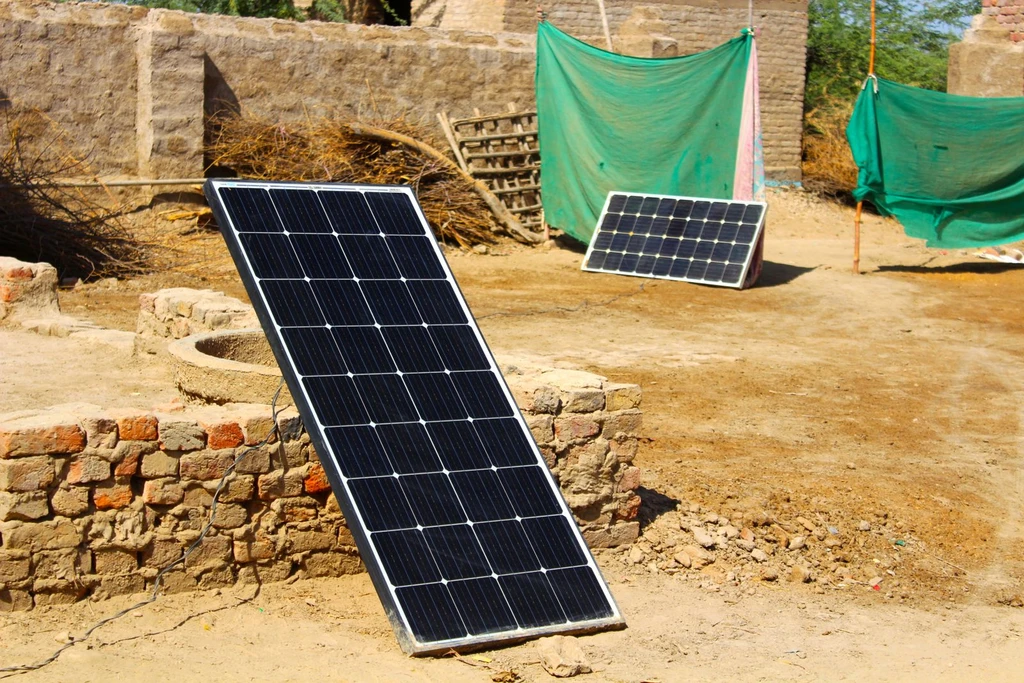
In Kiambu County, Kenya, a quiet energy revolution is redefining rural economics. Small-business entrepreneurs are replacing loud, expensive diesel grain mills with solar-powered alternatives that eliminate fuel costs and dramatically increase profit margins. This shift challenges the conventional wisdom that universal electricity access requires massive grid extension.
While Kenya’s centralized power system is already over 90 percent renewable, remote communities still rely on diesel for commercial processing. Fuel expenses typically consume up to 40 percent of a mill operator's revenue. By switching to solar, operators remove this line item entirely, transforming sunlight directly into cash flow.
Nairobi-based manufacturer Agsol leads this transition with solar grain mills priced at approximately $1,300. The units offer a payback period of just six to twelve months. After recovering the initial investment, these machines generate significantly higher net profits than their diesel predecessors. The company sold 530 units in 2025 and has raised over $4 million since 2018, backed by UK government innovation funding.
This economic viability stems from a collapse in solar module prices. Costs have fallen from roughly $3 per watt to mere cents, shifting solar from an aid-dependent product to a commercially sound asset. For a shopkeeper, the math now supports capital expenditure because the return fits within a single harvest cycle.
The model represents a critical pivot toward productive-use solar. Unlike household lighting systems, grain mills function as income-generating infrastructure. This distinction allows off-grid solar to operate as private enterprise rather than charity. Each unit effectively serves as a standalone mini-grid, bypassing the prohibitive cost-per-connection of extending transmission lines to scattered settlements.
Financing structures remain as vital as the hardware itself. Pay-as-you-go and solar-as-a-service models are overcoming upfront capital barriers, mirroring strategies used by European firms like Berlin-based GIGA.GREEN. Whether serving a logistics warehouse in Munich or a grain mill in Kiambu, the core insight remains identical: cheap panels require innovative financing to unlock deployment.
Scaling this solution faces hurdles. While hundreds of units demonstrate proof of concept, millions of diesel engines still operate across sub-Saharan Africa. Success requires specialized hardware, integrated financing, and robust service networks to prevent equipment failure in remote areas. Yet, the unit economics suggest a tipping point is near.
This transition offers a precedent for developing nations to achieve universal access without building fossil-fuel infrastructure destined for retirement. As solar costs continue to align with rural purchasing power, the wires may eventually arrive, but the mills will likely already be running on sunlight.