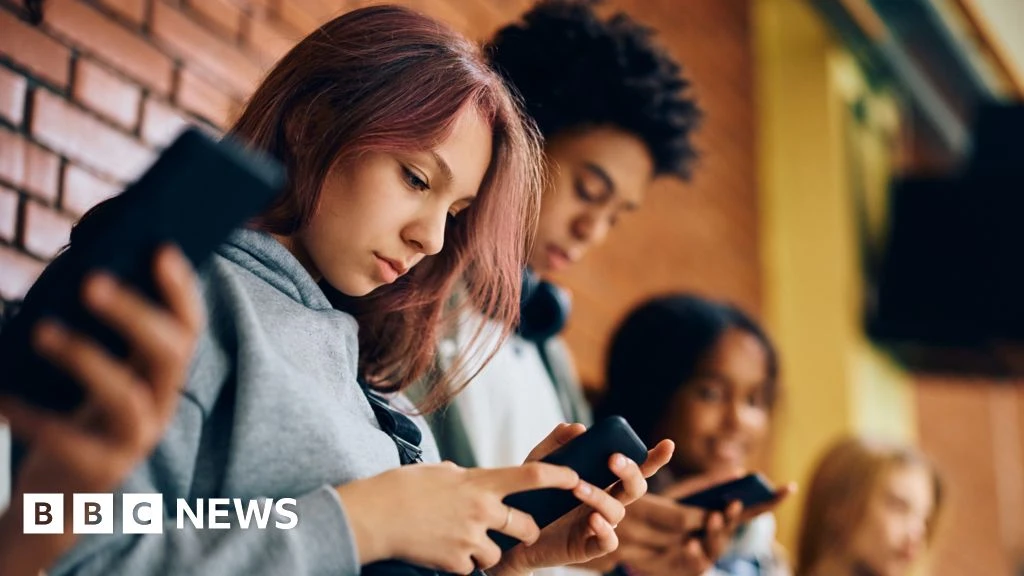
Social media giants face an unprecedented legal reckoning in US courts. Thousands of lawsuits now target companies like Meta, Google, Snapchat, TikTok, Roblox, and Discord over alleged harms to users, particularly children. Legal experts warn these cases represent a critical inflection point that could permanently alter platform operations and influence national policy.
Recent jury verdicts have already signaled shifting judicial sentiment. Meta and YouTube were ordered to pay $6 million in damages after a jury found their platforms contributed to a young woman's addiction and mental health struggles. Separately, a New Mexico court ruled against Meta for misleading the public about child safety. Both companies plan to appeal, but the precedent is set.
Four bellwether cases currently define this legal battleground. The Social Media Adolescent Addiction MDL involves over 1,000 California school districts accusing platforms of intentional addictive design constituting a public nuisance. Simultaneously, 29 states are suing Meta for violating the Children’s Online Privacy Protection Act, demanding stricter age verification and data deletion.

Safety concerns extend beyond social feeds to gaming environments. A lawsuit against Roblox and Discord alleges defective design facilitated child grooming, challenging arbitration clauses that typically shield tech firms. Meanwhile, Australian billionaire Andrew Forrest is testing the limits of Section 230 immunity by suing Meta over scam advertisements using his likeness.

The outcome of these trials will determine whether platforms retain broad legal protections or face new liability standards. A ruling against tech defendants could dismantle decades of Section 230 defenses and force fundamental redesigns of user engagement algorithms. For investors and regulators, these proceedings mark the end of self-regulation and the beginning of judicial oversight in the digital economy.