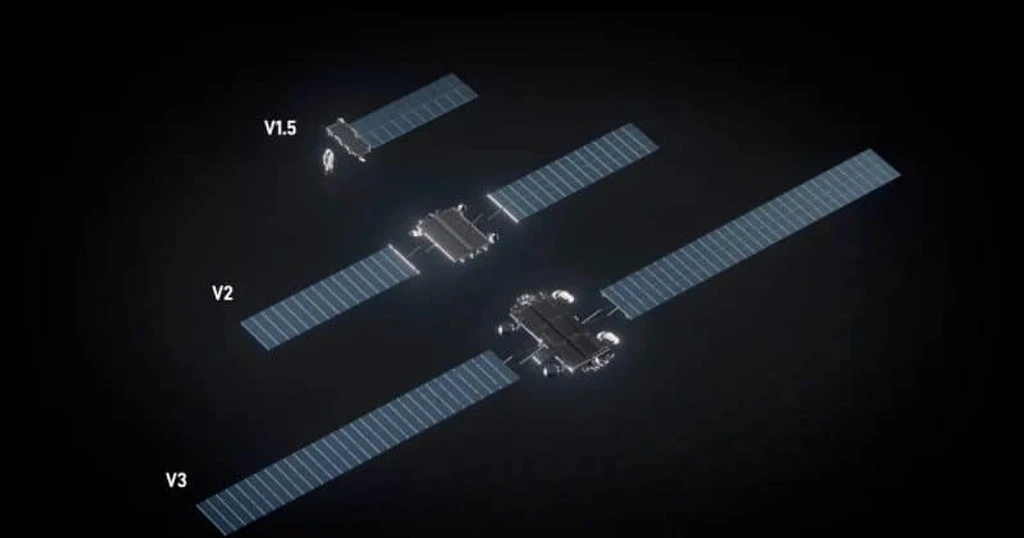
SpaceX is accelerating its timeline for orbital artificial intelligence computing demonstrations, moving the target from 2028 to late 2027. The company filed with the Federal Communications Commission in January 2026 for a constellation of up to one million orbital data center satellites.
These satellites are designed to operate in low-Earth orbit, delivering hundreds of gigawatts of AI processing power using solar energy and advanced thermal management systems. This initiative follows SpaceX's integration of xAI into its operations in February 2026, acknowledging that Earth-based data centers are reaching critical limits regarding power consumption and cooling capacity.
Major tech players are already positioning themselves within this emerging infrastructure. Anthropic has expressed interest in utilizing SpaceX’s orbital compute capacity, while Google is in discussions regarding launch support for Project Suncatcher, an initiative aimed at orbital computing tests.
Despite the ambition, SpaceX has issued cautionary statements regarding the significant technical risks involved. Challenges include radiation-induced memory corruption, latency issues that may hinder certain AI applications, and the logistical complexity of maintaining a million-satellite constellation against space debris and orbital decay.
The late 2027 demonstration window remains the critical juncture. Success depends entirely on whether these unproven technologies can achieve commercial viability in the harsh environment of space.