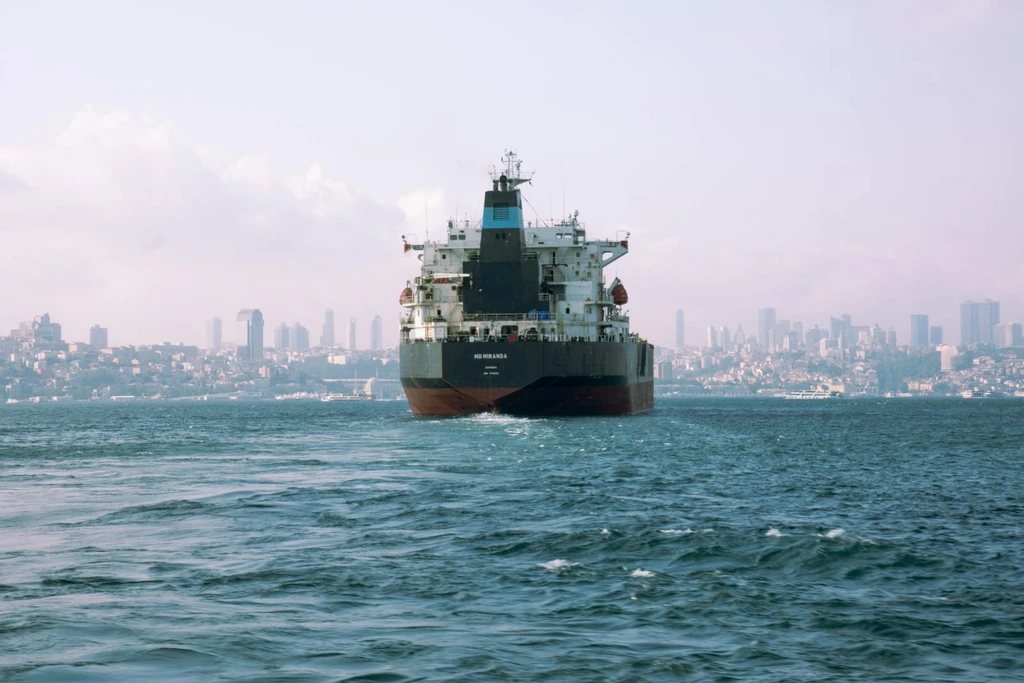
Electric vehicles promised independence from fossil fuels, yet they remain tethered to the Persian Gulf through a critical new dependency: aluminum. Tensions in the Strait of Hormuz now threaten the global supply chain for low-carbon metal essential to EV manufacturing.
Japanese giants like Toyota, Honda, and Nissan rely heavily on processed aluminum from the Middle East. Emirates Global Aluminium, based in the UAE, supplies premium automotive-grade material that cannot be easily substituted without months of recertification. Shipping disruptions could force rerouting around Africa, adding weeks to transit times.
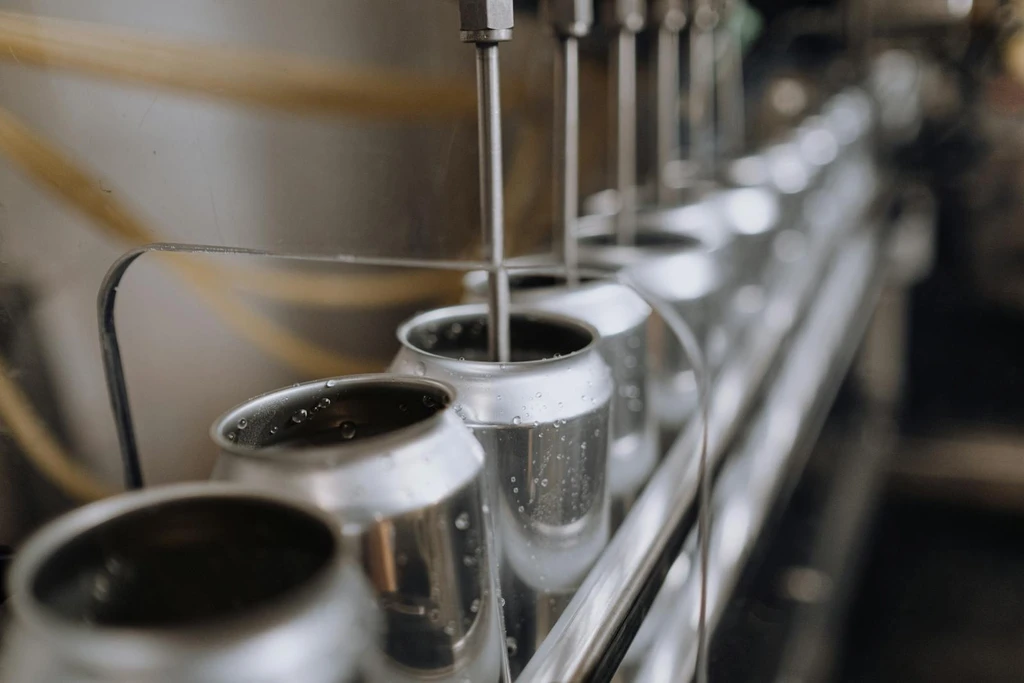
Benchmark prices on the London Metal Exchange are climbing as analysts warn of sustained volatility. This creates margin pressure for automakers already struggling with EV profitability. The industry now faces a structural reckoning, realizing it shifted energy dependence to material dependence within the same geographic chokepoint.
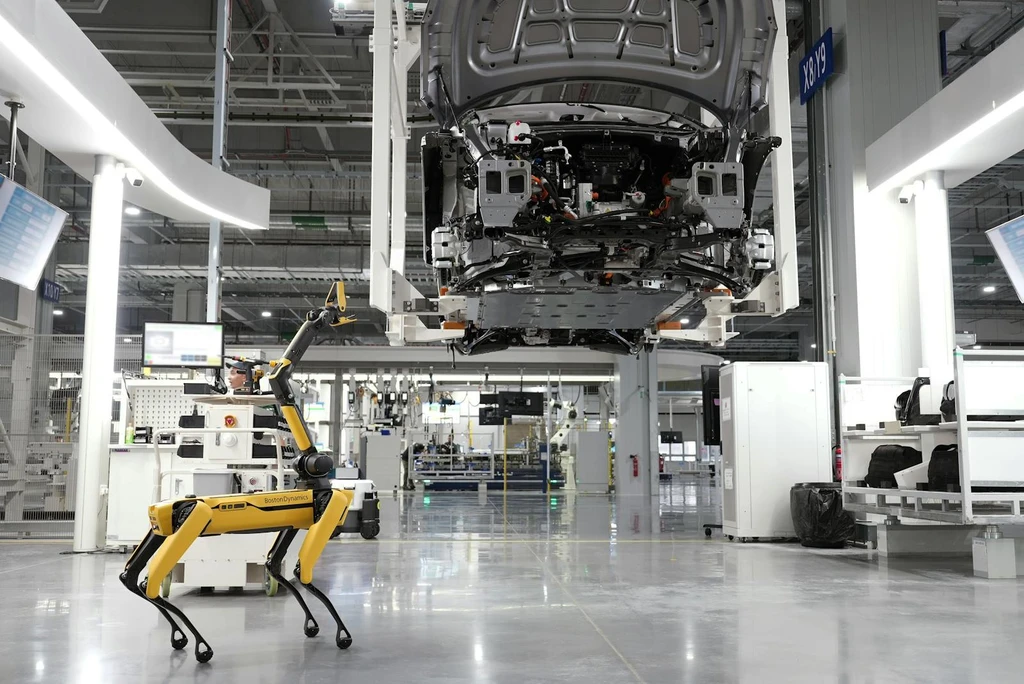
Experts urge manufacturers to redesign supply chains for resilience rather than cost optimization alone. Strategic diversification away from the region remains difficult given the specialized certification required for modern electric powertrains.