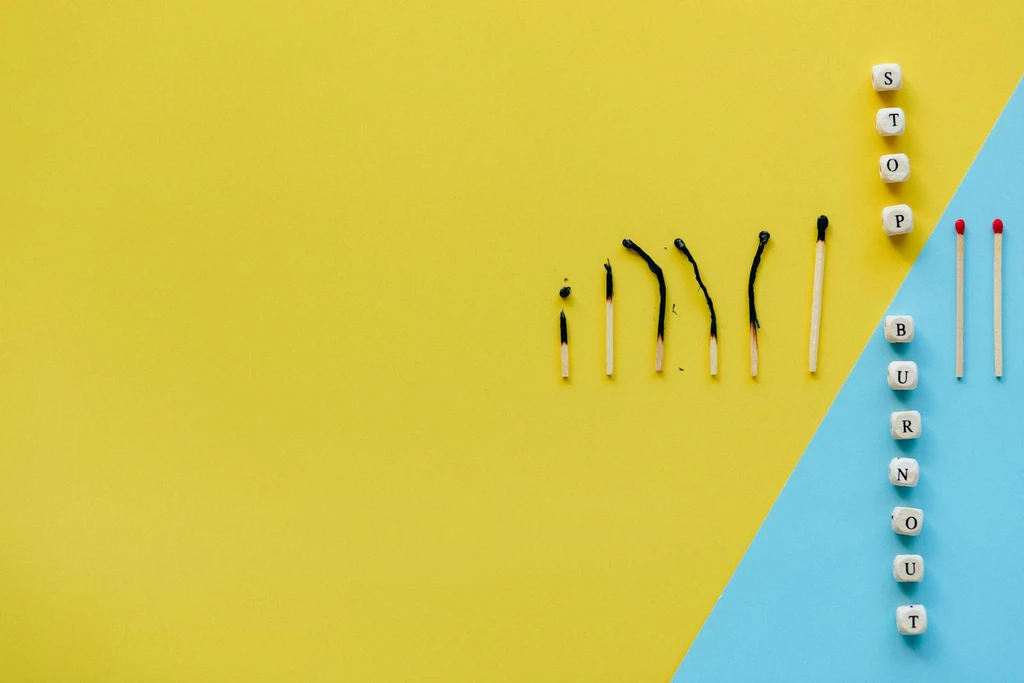
You close your laptop, but your body feels like it ran a marathon. The common explanation is screen fatigue, but the deeper exhaustion comes from performing emotions without your body.
In a physical office, emotions move through your entire self. On video calls, only your face and voice remain. You convey enthusiasm, concern, or agreement with a fraction of your usual toolkit. This "invisible labor" of disembodied expression requires managing impressions through a digital keyhole.

Research identifies "nonverbal overload" from excessive eye contact, monitoring your own face, reduced mobility, and heightened effort in sending/receiving nonverbal signals. Micro-behaviors become conscious decisions, costing cognitive effort that accumulates over the day.
This is a form of "emotional labor," the work of managing feelings to meet job requirements. Remote work has democratized this, forcing knowledge workers to perform attentiveness or enthusiasm through a screen, while dealing with real-world distractions.
The problem is compounded because your body still generates emotional correlates-tension, jaw clenching-but without an outlet. In an office, movement releases this charge. Remote work creates a bottleneck, leaving emotional energy stored in the body.

Standard advice like taking breaks misses the point; it doesn't resolve the cognitive cost of emotional performance. Effective strategies address the body directly: move between emotional contexts after calls, turn off cameras for some calls, scan your body for tension, and protect unstructured social time.
Communication is profoundly physical, involving posture, proximity, and micro-expressions. Stripping these away creates a cognitively expensive simulation. Your exhaustion is valid; it's the price of doing emotional labor without the body that makes it bearable.