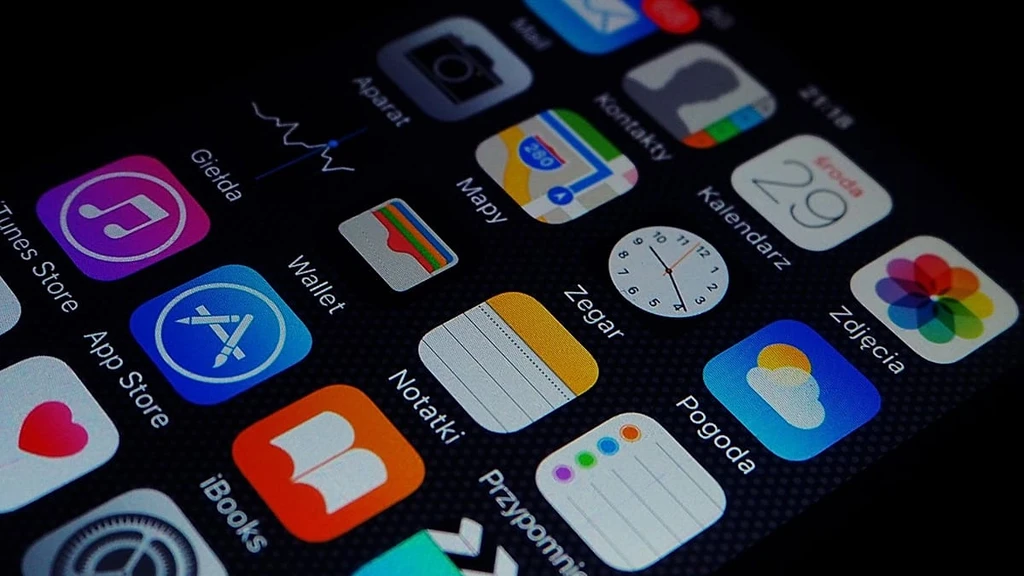
The European Union's Digital Markets Act, a landmark policy designed to curb the power of Apple, Google, and Meta, marks its second anniversary. The DMA forces platforms to allow uninstalling pre-installed apps, enable third-party app stores, and stop prioritizing their own services in search results.
Immediate changes included browser choice menus and interoperability, such as WhatsApp messaging with rival apps. However, the regulations have also created friction in everyday digital tasks, shifting the burden of proof onto tech giants, who now face significant fines for non-compliance.
A European Commission review, published May 3, 2026, acknowledges successes in increasing browser choice but highlights clear shortcomings. As the law expands to cover new technologies like artificial intelligence, the core question remains: has the DMA genuinely improved Europe's digital experience?