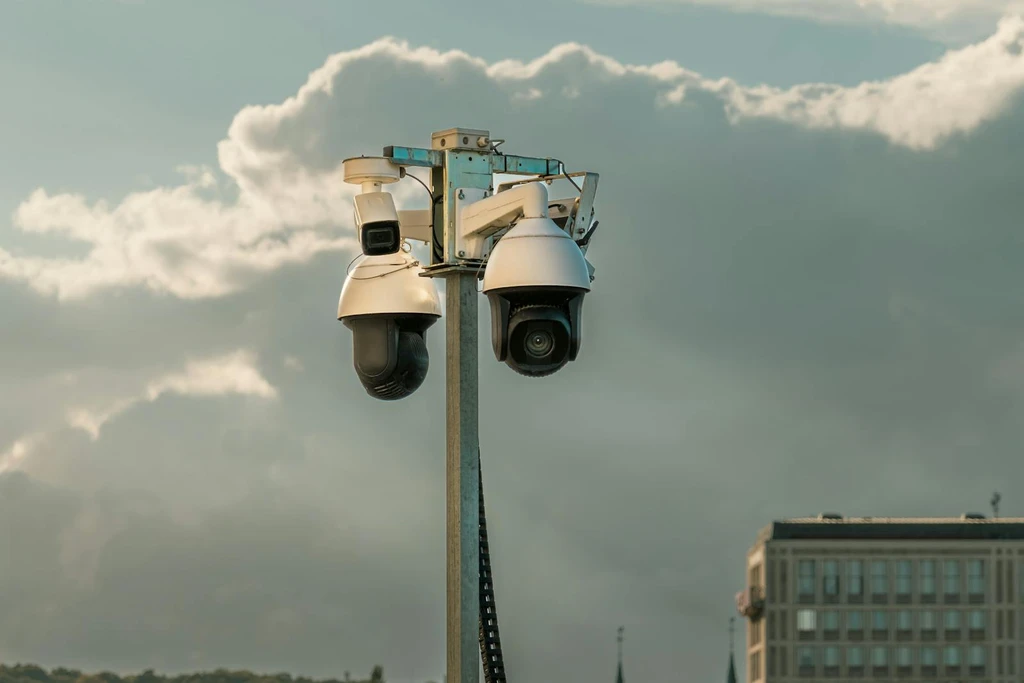
The most dangerous surveillance systems don’t require new technology-they rely on the infrastructure already built. The FBI uses existing databases, cameras, and data brokers to conduct mass surveillance without AI.
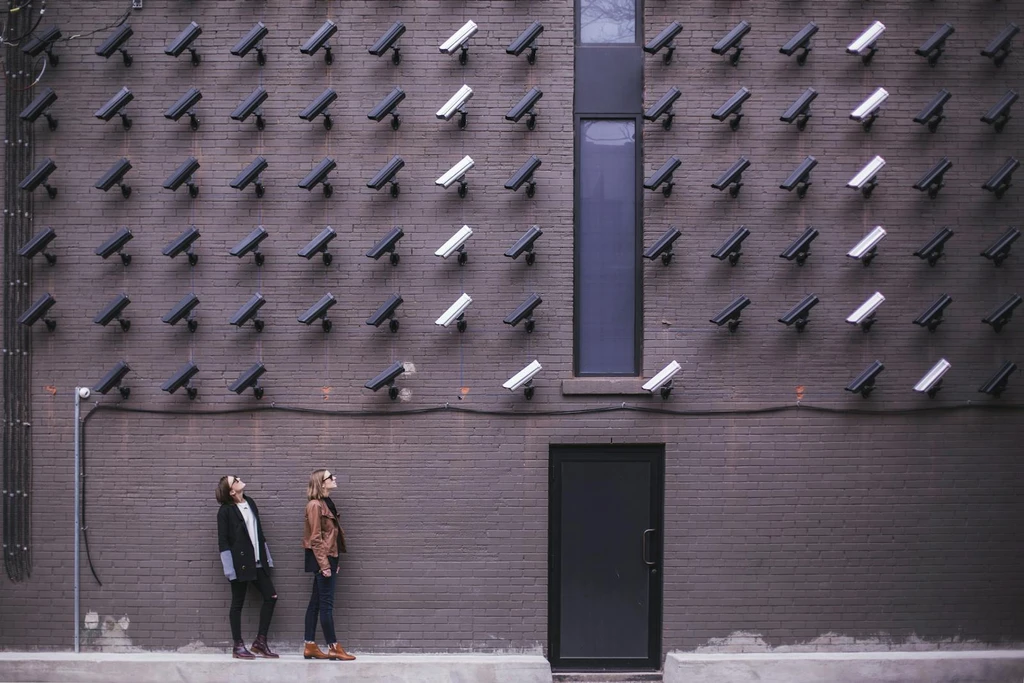
Photo by Burst on Pexels
These tools, including license plate readers and commercial location data, were introduced for reasons like traffic control or fraud prevention. But their aggregation allows tracking of entire populations. Even a ban on AI in surveillance wouldn’t reduce FBI’s capabilities significantly.
The key issue is the third-party doctrine, which allows government access to data shared with third parties-like banks or apps-without a warrant. Courts have begun questioning this, but rulings are inconsistent.

Photo by Merlin Lightpainting on Pexels
Commercial data brokers also fuel government surveillance by selling location histories and behavioral profiles. The government buys this data easily, sidestepping traditional warrants. States are enacting privacy laws, but they can’t constrain federal agencies.
The infrastructure was built through user consent-every ‘agree’ to a privacy policy contributes to surveillance capacity. The consent model is designed to secure agreement, not inform choice.
Schools and children's systems are now vulnerable too. Surveillance tools originally meant for safety are being used for enforcement. Purpose creep is embedded in the design.
Key factors to watch include legal battles over state privacy laws, evolving court decisions on digital data, and the government adding AI to existing surveillance layers rather than replacing them.