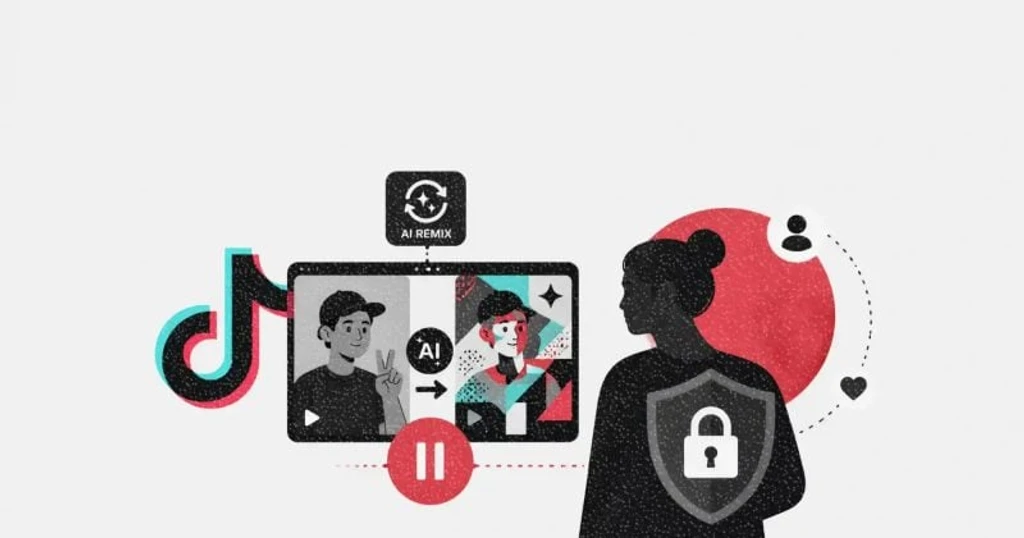
Creators discovered TikTok had quietly enabled a new privacy setting called 'Allow AI to Remix Content,' turned on by default for all existing videos. The setting powers an experimental 'Meme Remixer' tool, available only to a select group of U.S. users, allowing them to generate AI-powered memes using other creators' content.
TikTok insists the feature is limited and that user data is not fed into core AI training models. But the backlash was fierce between April 17 and 24, with creators calling it a crisis over AI data misuse.
The core issues: the setting was buried in privacy menus, applied retroactively to every video ever uploaded, and required creators to disable it manually for each individual video-a nearly impossible task for anyone with a large library.
TikTok has paused the Meme Remixer test and adjusted the setting. The consent problem goes deeper: under TikTok's terms, creators retain ownership but grant the platform a broad license to use, analyze, and modify uploads from the moment they share them.
This move follows a broader trend where platforms push AI-generated content boundaries, while EU regulators demand more transparency. TikTok's retroactive application to years of archived video marks a controversial line even the most platform-friendly creators find hard to defend.