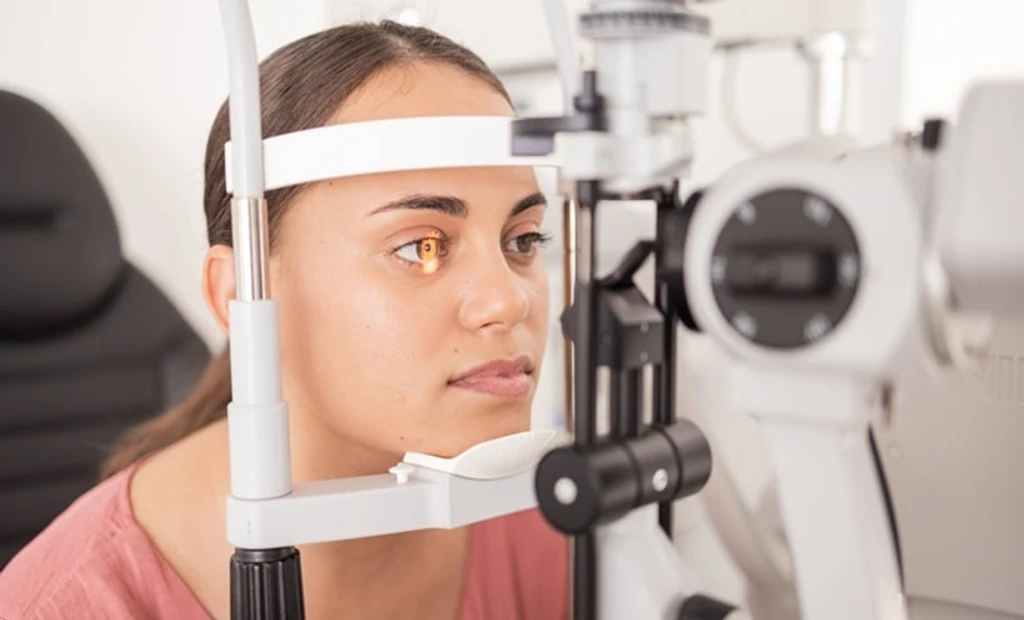
A recent study using UK BioBank data explored how retinal features from optical coherence tomography (OCT) and color fundus photography (CFP) serve as biomarkers for systemic diseases. AI-derived retinal representations are linked to cardiometabolic and neurodegenerative outcomes, including ischemic heart disease and Parkinson’s disease.
Using a deep-learning framework, 256-dimensional embeddings were generated, revealing that cardiovascular associations mainly localize to the choroid and retinal vascular network while neurodegenerative signs connect more strongly to the optic nerve head. Metabolomic analysis indicates these retinal changes may reflect underlying metabolic processes affecting both cardiovascular and neurological health.
Further examination of brain imaging data demonstrated relationships between retinal features and brain structural differences, including regional volumes and white matter organization.
These findings underscore the potential of AI-powered retinal imaging to support risk identification and disease stratification, paving the way for advancements in cardiovascular and neurodegenerative research. Validation across diverse populations and comparisons of deep learning architectures are necessary for future applications.