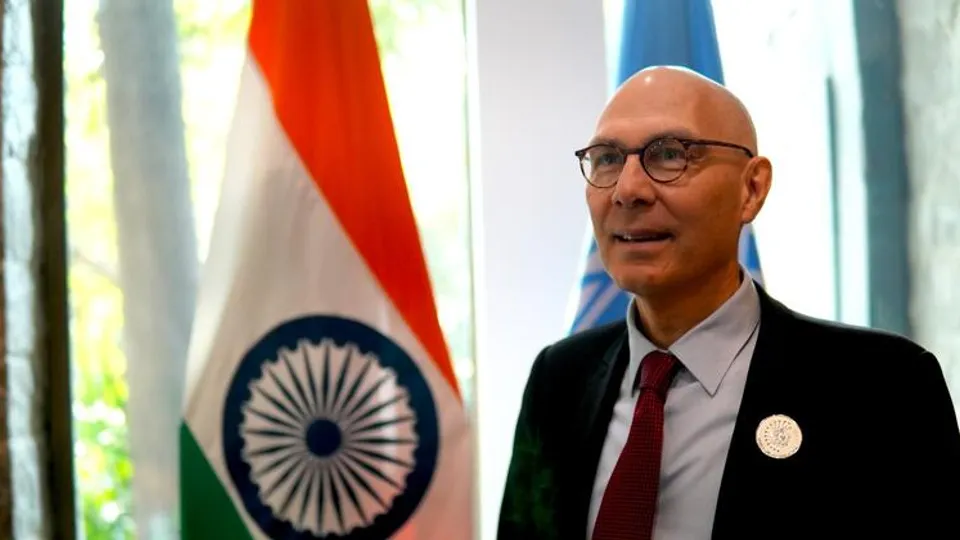
Artificial intelligence must be developed and governed through a human rights framework, emphasizing transparency, accountability, and inclusion, according to UN Human Rights Chief Volker Türk. Speaking at the AI Impact Summit in New Delhi, Türk stressed that AI, as a powerful technological tool, requires robust risk assessments to ensure its use benefits humanity.
The primary human rights risks identified include significant inequity and the potential for bias and discrimination. Türk highlighted that AI tools developed with data solely from one region or by a limited demographic risk embedding unconscious biases. He underscored the importance of mindful development that includes vulnerable groups and minorities, advocating for meaningful participation in the AI design process.
Addressing the rapid pace of generative AI, Türk called for urgent guardrails. He proposed that companies conduct human rights impact assessments before designing, rolling out, and marketing AI tools, drawing a parallel to the rigorous testing required in the pharmaceutical industry. The potential for AI to be used for harmful purposes, such as spreading disinformation and automated lethal weapons, was also a key concern, alongside the amplification of hate speech and misogyny.
Türk expressed hope for a future where AI development is inclusive and globally diverse, moving away from concentration within a few companies. He envisions AI as a vital tool to address global challenges like the climate crisis, healthcare access, and education, provided its development is guided by a vision of a better, more equitable world.