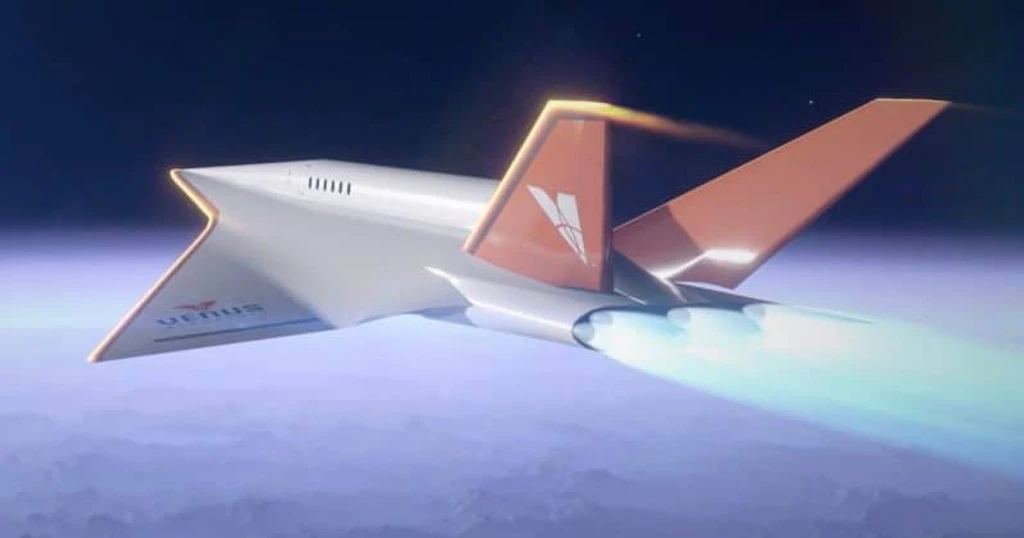
London to Sydney currently takes about 22 hours; the UK's Invictus program seeks to reduce that to three. This European Space Agency initiative, led by Frazer-Nash Consultancy, aims to develop a hypersonic test vehicle reaching speeds exceeding 3,800 mph by early 2031. Two UK test sites, Spaceport Cornwall and Machrihanish in Scotland, are shortlisted.
The project builds on technology from Reaction Engines Ltd, whose team has joined Frazer-Nash. Their expertise addresses challenges in hypersonic flight, like air pre-cooling to prevent engine overheating.
The Invictus vehicle will feature horizontal takeoff and landing, prioritizing cost-effective, reusable operations. Backed by an €8 million budget, the initiative represents a modest investment in groundbreaking aerospace technology, aligning with broader ESA goals for reusable space access.
Achieving a three-hour flight raises crucial questions. At Mach 5, traveling 10,500 miles is plausible, but Invictus is a test vehicle, not a passenger aircraft. Overcoming historical challenges faced by Concorde, along with new thermal management and safety issues, is essential.
Regardless, hypersonic technology could revolutionize logistics, military operations, and satellite launches while the 2031 goal hinges on critical engineering and regulatory developments.