
Greystones, Ireland, has emerged as a global case study in digital wellness. This affluent coastal town south of Dublin successfully implemented a community-wide agreement to delay smartphone ownership until middle school. The movement began after local educators identified a direct correlation between post-pandemic social media use and skyrocketing anxiety rates among students.
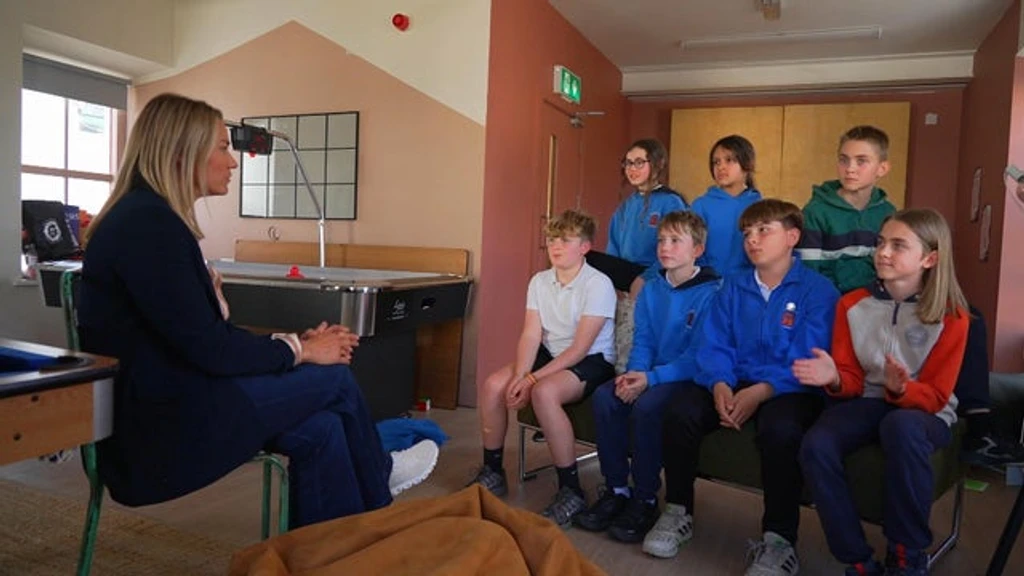
Principal Rachel Harper launched the 'It Takes a Village' initiative after survey data revealed 95% of teachers observed heightened classroom anxiety linked to online activity. Parents responded by signing a voluntary code pledging to withhold smartphones. This collective action removed individual parental pressure, creating a unified social standard that made restriction sustainable.
The strategy extended beyond prohibition to include active replacement. Community organizers established youth cafes, game nights, and outdoor programs to fill the void left by digital devices. High schools reinforced the culture change by requiring lockable phone pouches during instructional hours. Older students now mentor younger peers on responsible future technology use.
Early results indicate significant behavioral improvements. Teachers report increased student focus, while parents note better sleep patterns and reduced anxiety. Students themselves describe stronger interpersonal connections and decreased dependency on digital validation. Greystones demonstrates that reversing digital saturation requires coordinated community infrastructure rather than isolated household rules.