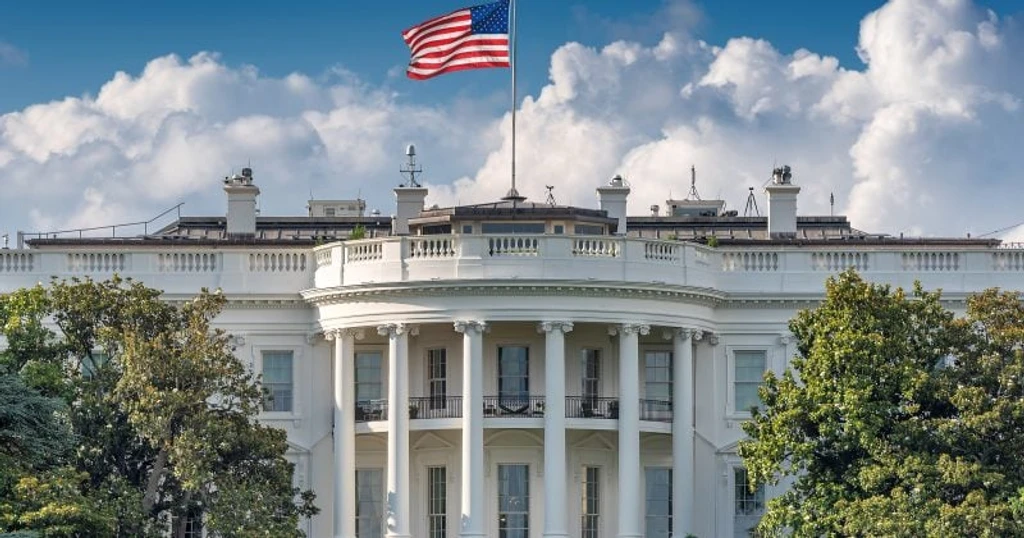
The White House has sent Congress a non-binding legislative framework for artificial intelligence, titled the "National Policy Framework for Artificial Intelligence: Legislative Recommendations." Released March 20, 2026, the document identifies seven priority areas, with the central goal of preventing a fragmented state-level regulatory environment.
Key recommendations include avoiding a new federal AI agency, instead favoring sector-specific oversight by existing regulators like the FDA, SEC, and FTC. Critics argue this approach risks coordination failures as AI models often span multiple sectors simultaneously.
The framework follows the "America's AI Action Plan" (July 2025) and Executive Order 14365 (December 2025). As of late May 2026, no significant related bills have advanced in Congress. Senator Marsha Blackburn's revised TRUMP AMERICA AI Act, aimed at easing compliance for AI ventures, has not gained traction.
For investors and the tech sector, the framework signals a push for regulatory uniformity. Startups, in particular, would benefit from reduced compliance burdens, but congressional inaction could leave states to continue creating a complex regulatory patchwork.