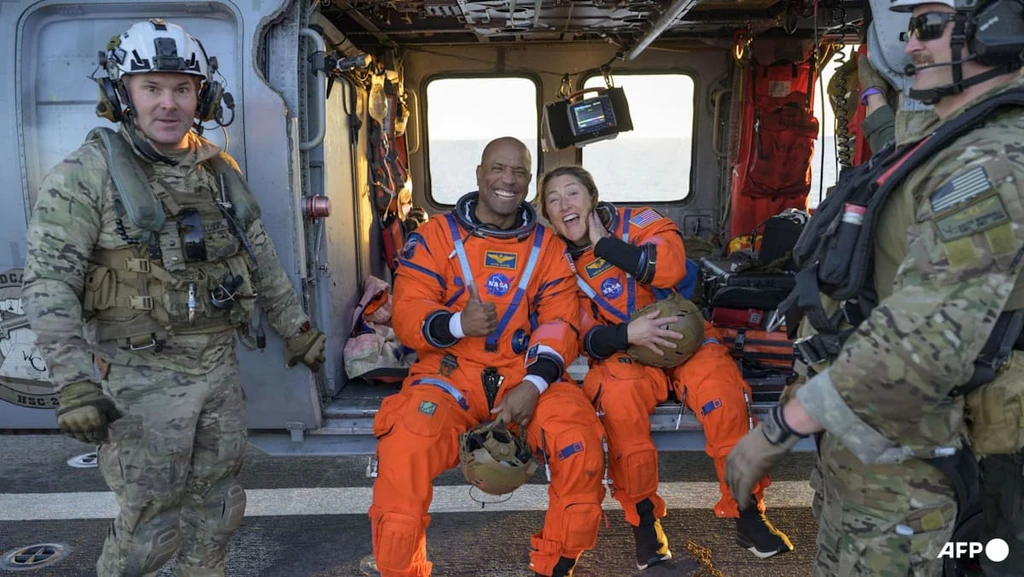
The Artemis II capsule and its four-member crew have safely splashed down in the Pacific Ocean, concluding the first human voyage to the vicinity of the moon in over half a century. NASA's Orion capsule parachuted gently into calm seas off the Southern California coast, marking the end of a mission that took astronauts 406,771 km from Earth, deeper into space than anyone had flown before.
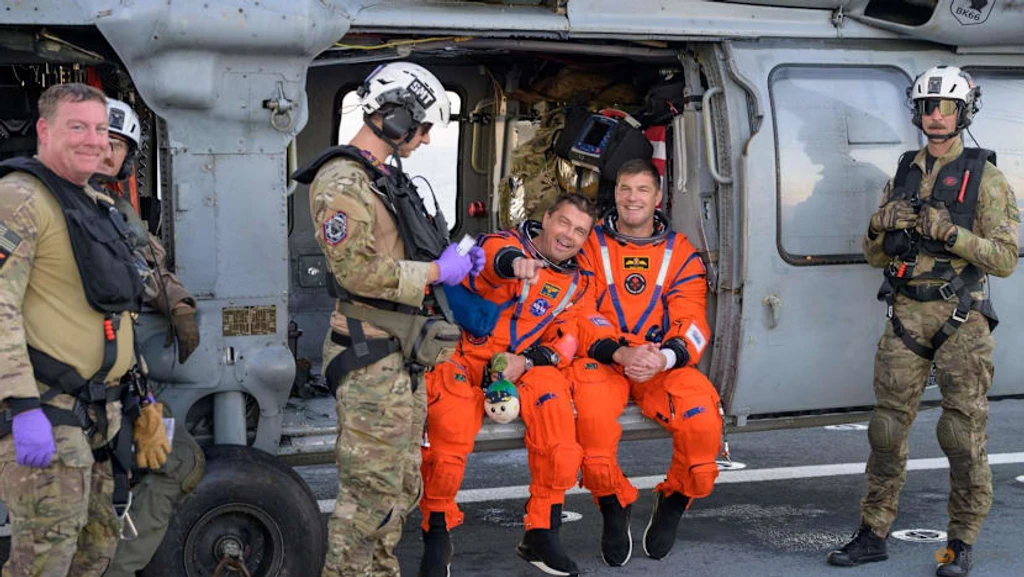
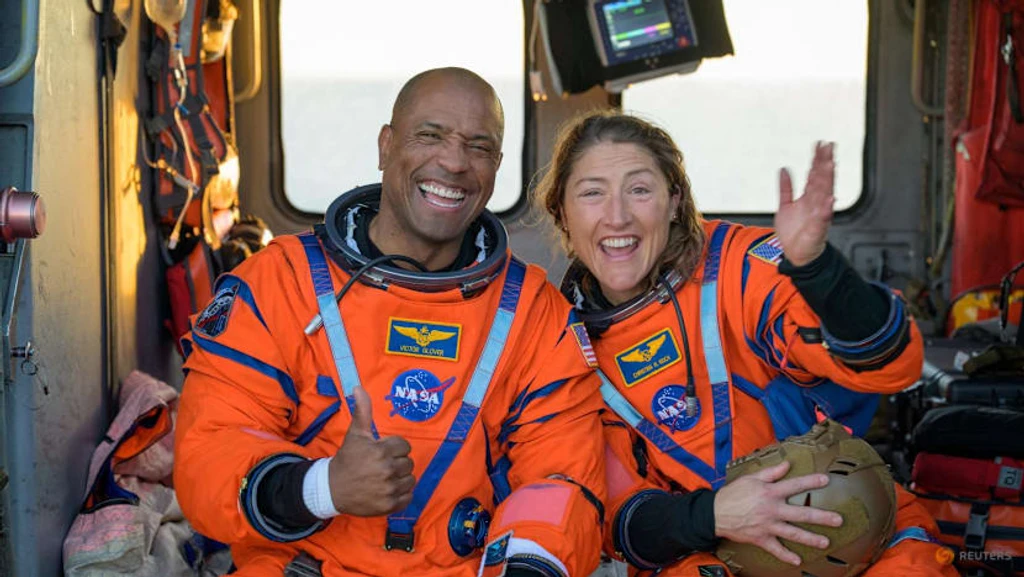
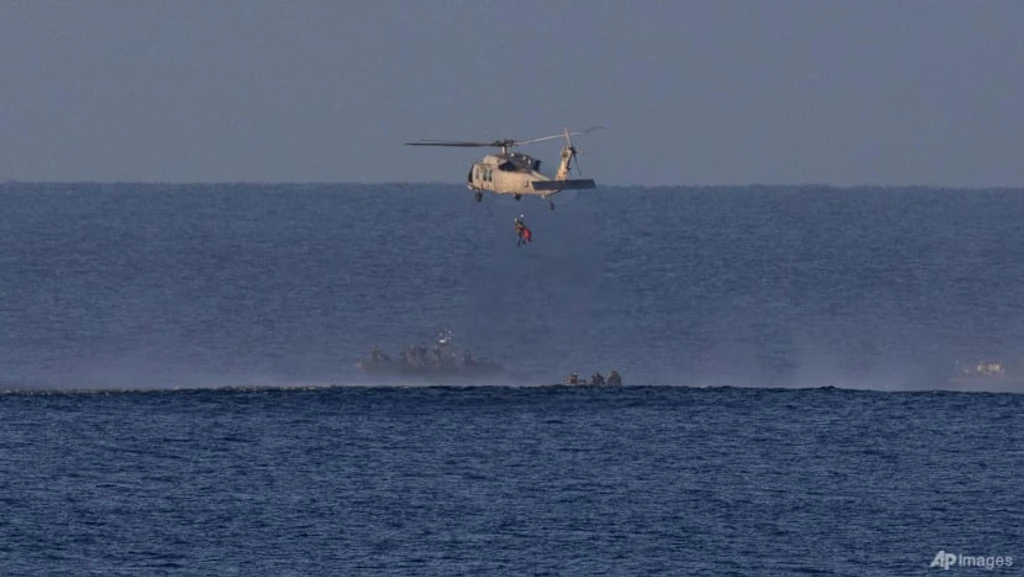
The flight was the debut crewed test flight in NASA's Artemis missions, aiming to return astronauts to the lunar surface. The splashdown was described as a "perfect bull's eye," with mission commander Reid Wiseman reporting all four crew members in good shape. Recovery teams quickly secured the capsule and retrieved the astronauts: US astronauts Reid Wiseman, Victor Glover, and Christina Koch, along with Canadian astronaut Jeremy Hansen.
The mission tested the Orion spacecraft's heat shield's ability to withstand extreme reentry forces. The capsule plunged into Earth's atmosphere at 32 times the speed of sound, enduring temperatures of approximately 2,760°C. A planned radio blackout of over six minutes occurred during the peak stress of reentry.
This voyage, which included a lunar flyby, is a critical step towards landing astronauts on the moon again, with NASA aiming for a crewed landing by 2028. The mission also set a new distance record, taking the crew further from Earth than any previous human spaceflight. Victor Glover, Christina Koch, and Jeremy Hansen made history as the first Black astronaut, first woman, and first non-US citizen, respectively, on a lunar mission.
The Artemis program, supported by commercial partners like SpaceX and Blue Origin, aims to establish a long-term lunar presence as a stepping stone to Mars, positioning NASA to achieve a crewed moon landing ahead of China's own ambitions.