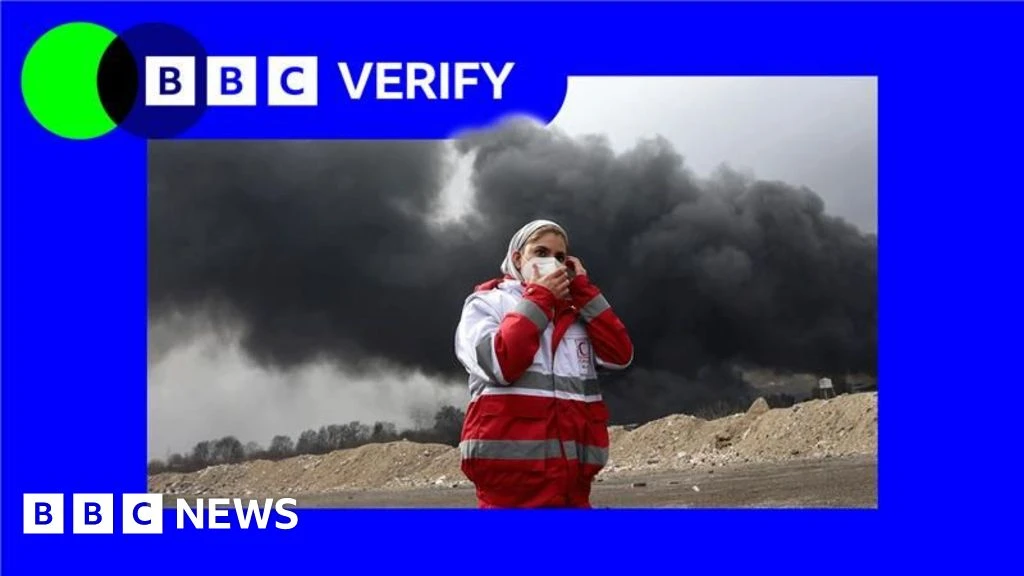
Air strikes targeting oil facilities in Tehran have resulted in widespread, 'unprecedented' pollution, with residents reporting smog that obscures the sun and a persistent burning smell. Satellite images confirm damage to at least four oil sites around the capital. Scientists warn that the scale and composition of pollutants released, including soot, sulphur, and nitrogen oxides, pose serious health risks.
The World Health Organization has expressed grave concerns over the health impacts, noting that damage to oil facilities can contaminate food, water, and air. The combination of cloud and smoke has hampered precise damage assessments, but verified footage shows significant fires at damaged sites. Residents have described downpours of 'black rain,' a phenomenon where raindrops collect high levels of pollutants, turning the water dark. Experts indicate that this extreme pollution, differing from typical urban smog, could have long-lasting effects on respiratory health and increase cancer risk.
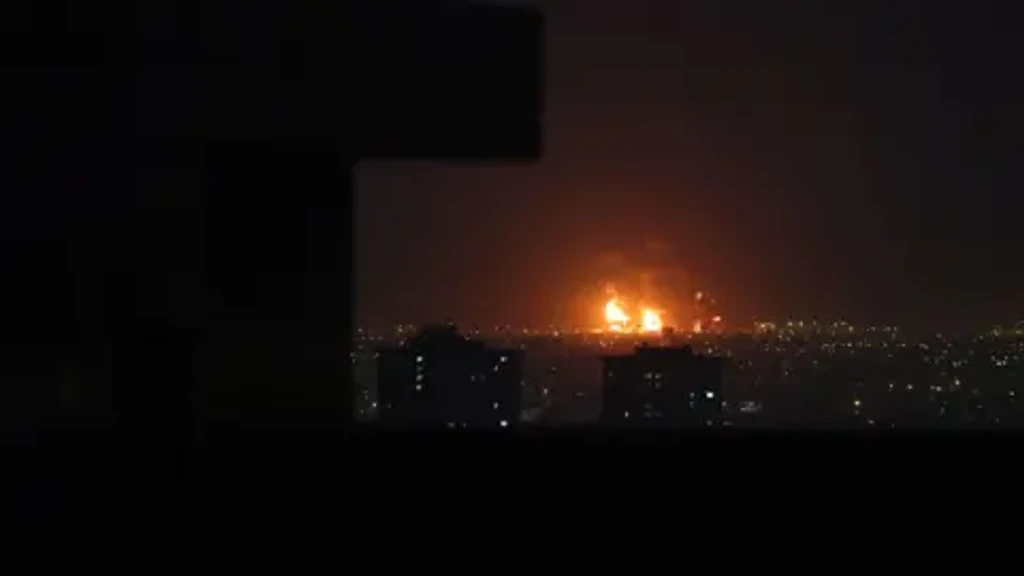
While weather forecasts suggest winds may help disperse pollutants, the risks remain as they can enter waterways or become re-suspended in the air. The concentration of attacks in such a densely populated area is noted as particularly unusual, exposing millions to a wide range of hazardous substances.