The UN's World Food Programme (WFP) is struggling to maintain vital food assistance across approximately 10 Middle Eastern countries, plus Afghanistan. Regional Director Samer Abdeljaber estimates $200 million is needed over the next three months to sustain operations.
The region faces severe economic fragility, ongoing conflict, and disrupted global supply chains. Geopolitical tensions impacting key maritime routes like the Strait of Hormuz and the Red Sea further strain food availability and affordability. Disruptions in these corridors lead to reduced supplies, declining agricultural production, and rising global food prices, significantly increasing transportation costs.
In Gaza, where WFP aims to assist 1.6 million people monthly, the closure of crossings has caused flour prices to surge by 270%. This has forced WFP to consider reducing rations from 100% to just 25% of an individual's needs.
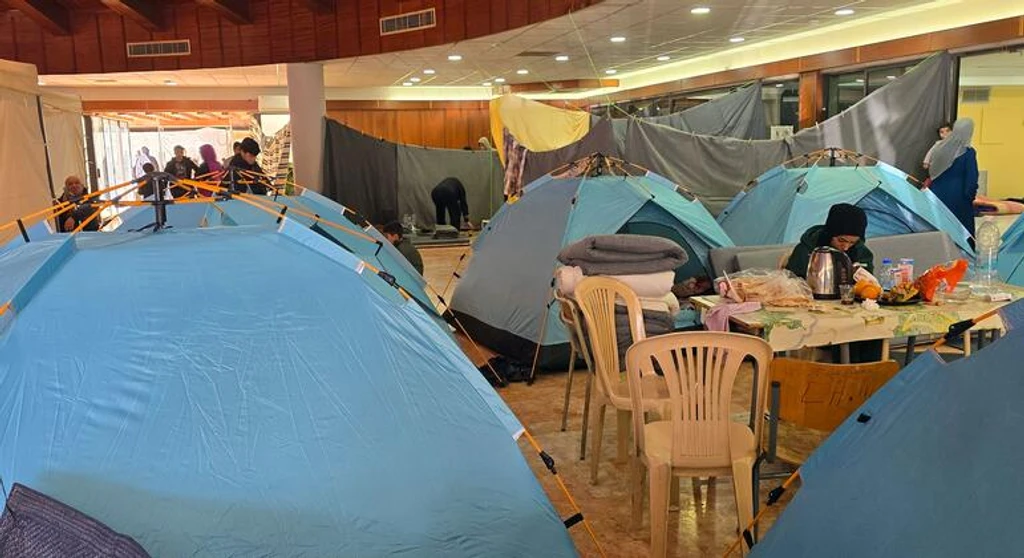
Large-scale displacement adds further pressure. In Lebanon, over 815,000 people are displaced, with WFP supporting 215 shelters providing daily food and cash assistance. Cross-border movements have also seen Syrian refugees return to Syria from Lebanon and Lebanese citizens seeking safety there.
Humanitarian agencies face a severe funding shortage. WFP recently suspended assistance for 135,000 Syrian refugees in Jordan and 250,000 Sudanese refugees in Egypt due to lack of funds. Rising global prices also erode the purchasing power of vulnerable communities, even with cash assistance.
Despite immense challenges and difficult operating conditions, WFP teams remain committed to assisting those affected by the escalating crisis.