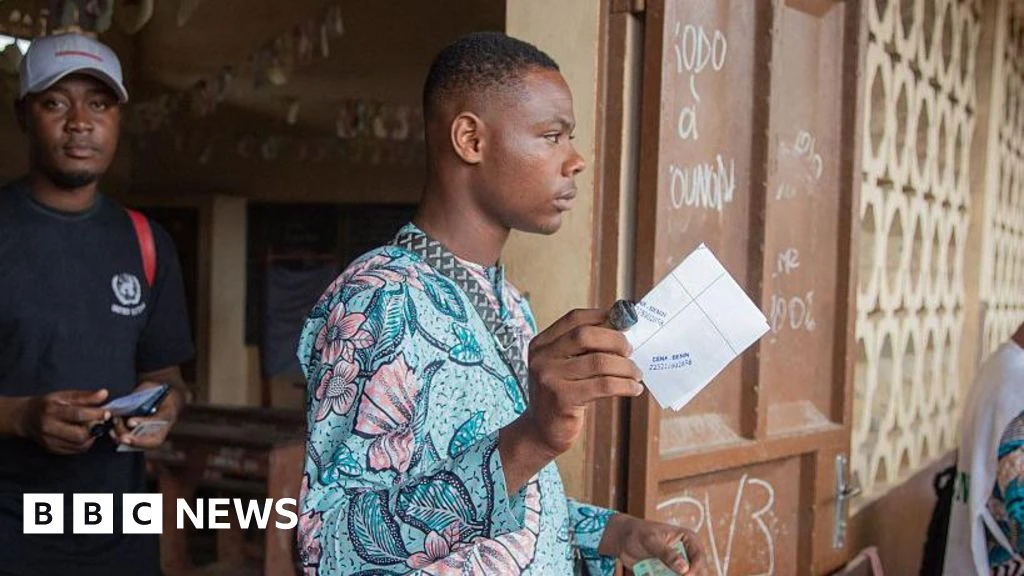
Benin's presidential election is largely defined by the growing threat of Islamist insurgency, a crisis that has engulfed much of West Africa. Security concerns are paramount on the campaign trail in a nation once known for its peace. This election follows a recent coup attempt, averted by Nigerian military intervention, preventing Benin from mirroring its neighbors like Niger, Burkina Faso, and Mali, which have seen military takeovers amid struggles against al-Qaeda and IS-affiliated militants.
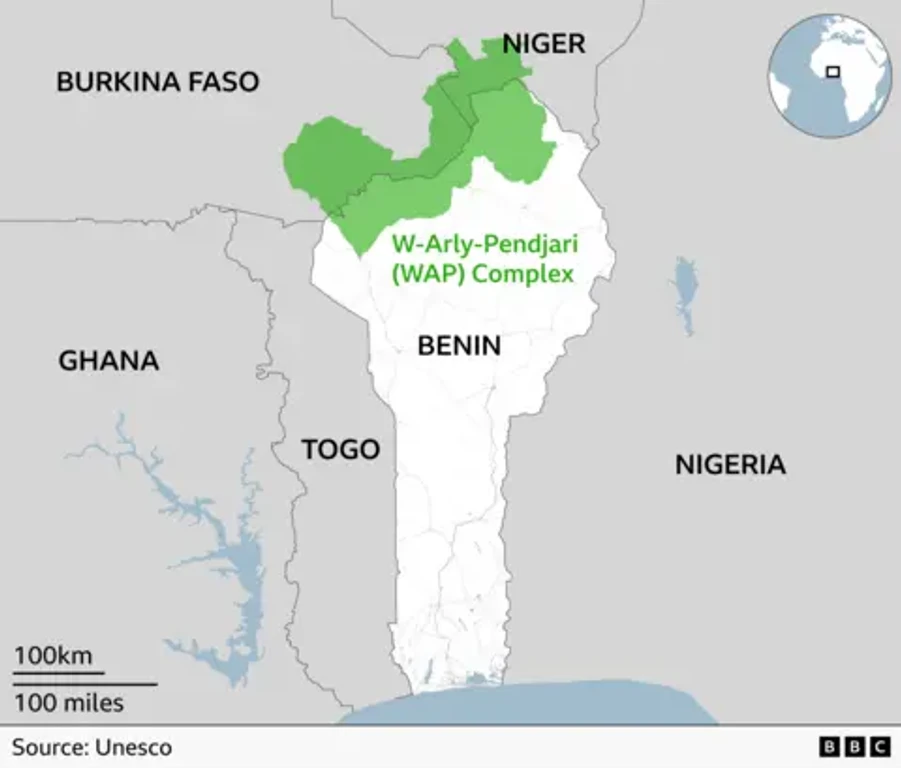
An affiliate of al-Qaeda, JNIM, recently claimed responsibility for killing 15 soldiers in an attack near the Niger border, a stark reminder of the escalating violence. Last year saw significant losses, with 28 soldiers killed in January and another 54 in March within the vast W National Park, which spans Benin, Niger, and Burkina Faso. The dense forests and porous borders facilitate militant movement and base establishment, evading security forces.
Recent data reveals a sharp increase in attacks in borderlands between Niger, Benin, and Nigeria, with recorded fatalities in these conflict zones more than doubling in 2025. Locals express deep anxiety, fearing a descent into violence akin to that seen with Boko Haram in Nigeria. Candidates are addressing these fears head-on.
Romuald Wadagni, the ruling coalition's candidate and current Finance Minister, launched his campaign in Kandi, a strategic northern hub, pledging to prioritize citizen safety. His rival, Paul Hounkpè, emphasizes the need for regional cooperation, particularly with Niger and Burkina Faso, despite strained diplomatic ties following coups in those nations. Benin, as part of the West African bloc Ecowas, faces complex regional dynamics, with Niger now aligning with Russia and accusing Ecowas of Western influence.
President Patrice Talon is stepping down after two terms. His supporters credit him with maintaining Benin's democratic standing, contrasting with military rulers who question the efficacy of democracy. Critics, however, point to democratic setbacks under Talon, including electoral law changes that limited opposition participation. The main opposition party, the Democrats, failed to win seats in recent parliamentary elections and saw its presidential candidate disqualified.
Despite the political landscape, a peaceful transfer of power is anticipated. The hope is that the next leader will successfully improve regional relations and contain the insurgency plaguing the area.