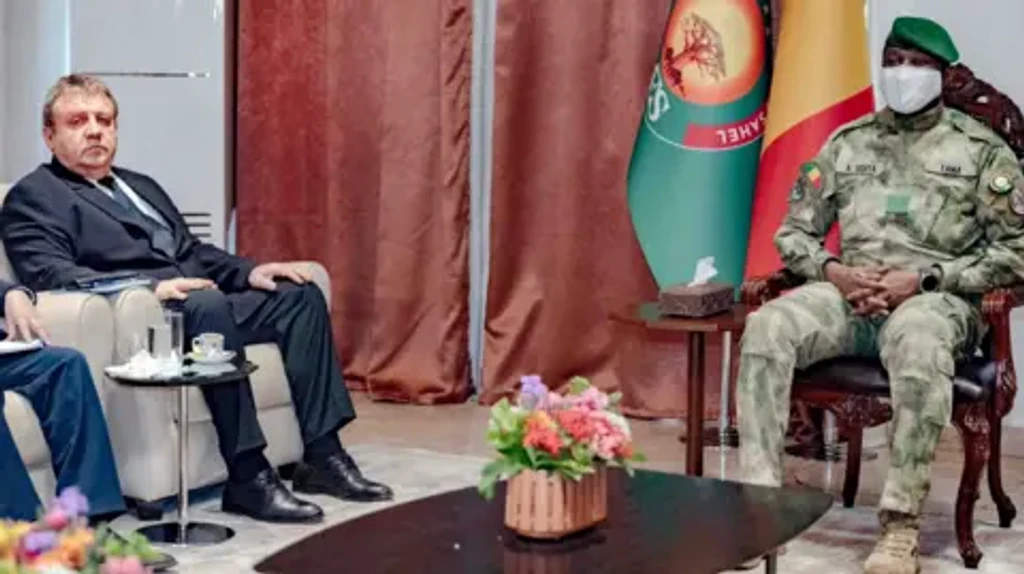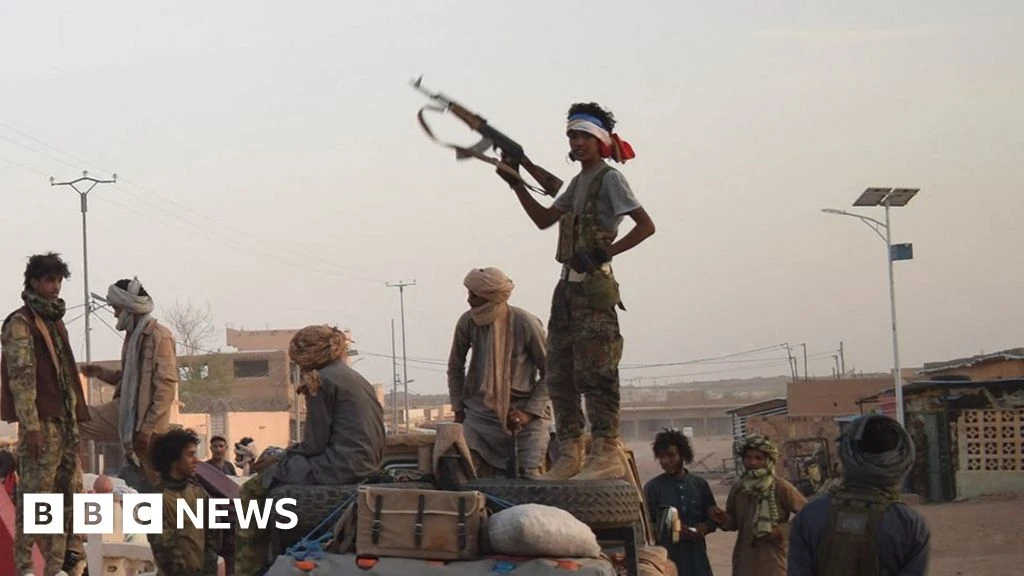
Mali is grappling with a profound security crisis after a major rebel offensive saw Tuareg separatists and the al-Qaeda-linked JNIM group launch coordinated attacks. The assaults reached the capital, Bamako, resulting in the assassination of the defense minister and the recapture of the northern city of Kidal by separatist fighters. Russian and Malian troops withdrew from Kidal.
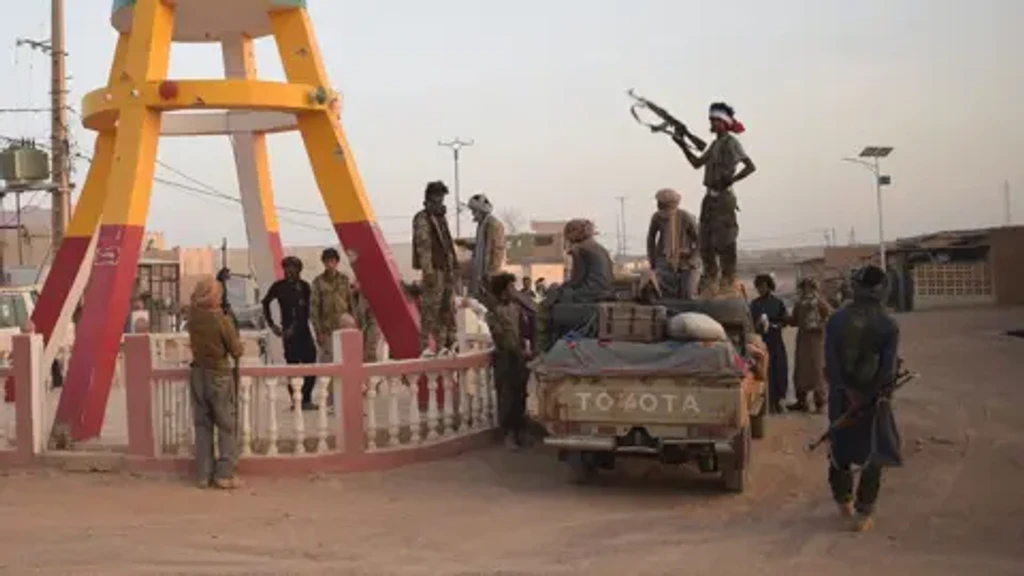
Analysts suggest several potential outcomes for the ruling junta. The most likely short-term scenario involves the junta remaining in power and launching a counter-offensive. However, its success is seen as critical to the government's longevity. The assassination of the defense minister, a key figure for Russia and the architect of their mercenary deployment, complicates Mali's relationship with Moscow. Rebel groups, including the FLA, have signaled ambitions to capture other key cities like Gao and Timbuktu.
The recent attacks have also impacted Russia's image as a security partner, potentially pushing Mali to diversify its alliances. Options include closer ties with Turkey, renewed engagement with the US, or increased reliance on the Alliance of Sahel States (AES), which comprises Mali, Niger, and Burkina Faso.
A more drastic outcome could see intensified public discontent and pressure forcing the junta from power. This could lead to another military coup or, potentially, an alliance between the FLA and JNIM. However, significant ideological differences between the nationalist FLA and the Islamist JNIM could create future power-sharing tensions.