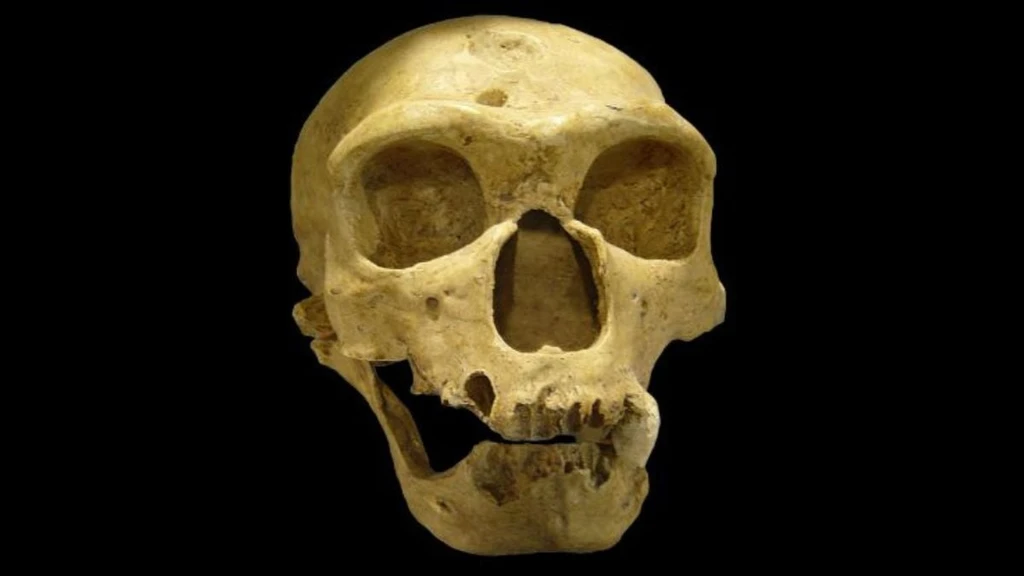
A recent study by an international team of anthropologists has revealed surprising insights into Neanderthal intelligence. Comparing brain scans of modern populations in the US and China, researchers found that regional brain volume differences within modern humans are greater than those observed between Neanderthals and Homo sapiens. This finding directly challenges the long-standing hypothesis that modern humans outsurvived Neanderthals due to superior brain capacity.
The study authors argue that if neuroanatomical differences in Neanderthals are considered cognitively significant, then similar variations within modern human populations should also be viewed as such. However, existing literature indicates a very weak association, if any, between cognitive ability and brain anatomy in contemporary humans. Therefore, the researchers conclude that arguments for Neanderthals being cognitively inferior based on brain differences are undermined.
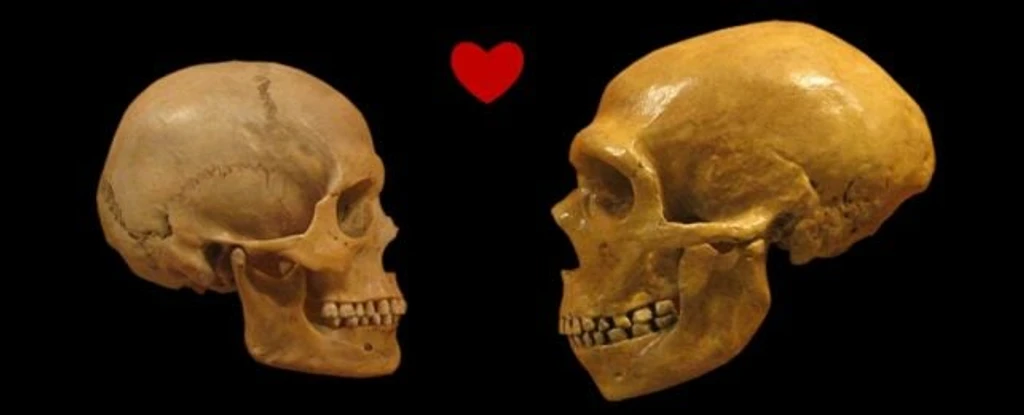
Historically, the first Neanderthal cranium, discovered in Germany in 1856, was deemed to be at a "low stage of development." This initial assessment contributed to a persistent stigma. However, accumulating archaeological evidence suggests Neanderthals possessed greater cognitive abilities than previously assumed. Findings indicate they engaged in practices such as using tools for fire, brewing medicines, creating abstract art, and even tailoring clothes, often predating similar behaviors in modern humans.
Some evidence also points to Neanderthals being capable of human-like speech. The study emphasizes that viewing Neanderthal cognition solely through the lens of skull anatomy can lead to misinterpretations. The research suggests that Neanderthal brain differences, when contextualized within modern human variation, do not support the notion of them being cognitively challenged. Furthermore, some scientists hypothesize that Neanderthals may not have truly gone extinct but were instead genetically subsumed into the modern human lineage, explaining the presence of Neanderthal genes in many people today.