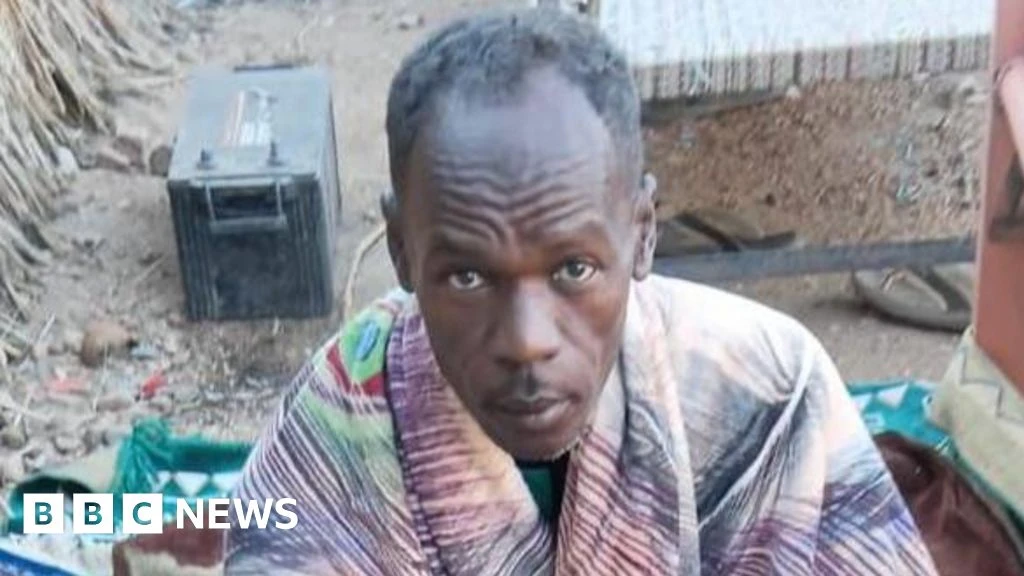
A journalist, Mohamed Suleiman, recounts his harrowing experience trapped in Sudan's civil war. After three years of communication blackout in el-Fasher, his phone finally activated in Port Sudan, flooding him with three years of missed messages-news of deceased colleagues and friends' desperate inquiries about his survival.
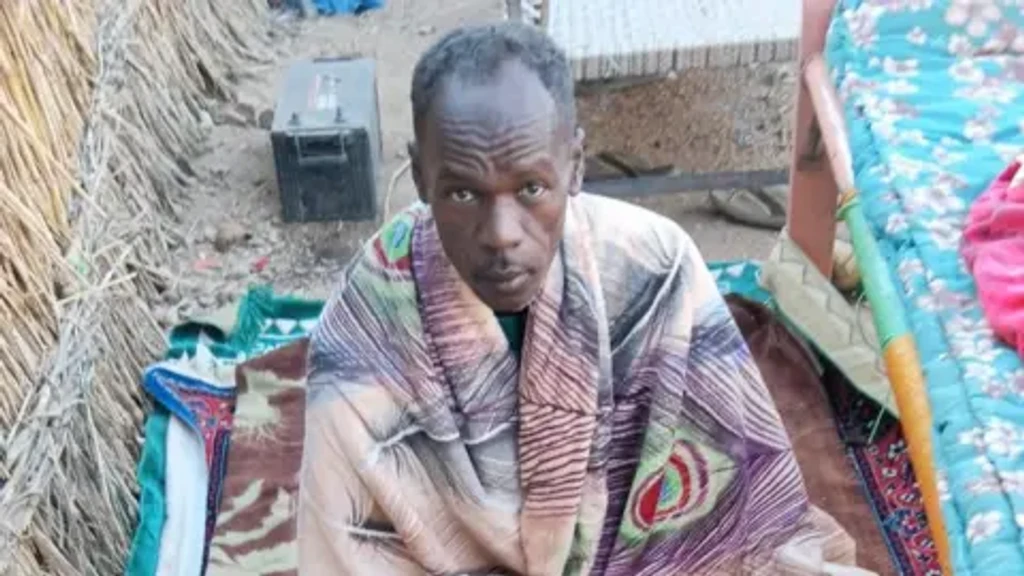
Suleiman describes the silence as suffocating, mirroring the violence of drone strikes, bombs, and the RSF's 18-month siege on el-Fasher. The city's fall in October was, for him, "the Day of Judgment on Earth."
As the war enters its fourth year, diplomatic efforts have failed, leaving millions displaced. Suleiman witnessed systematic killings, famine conditions, and a brutal exodus from el-Fasher, where "dead children" and "women crying from extreme hunger and thirst" lined the streets.
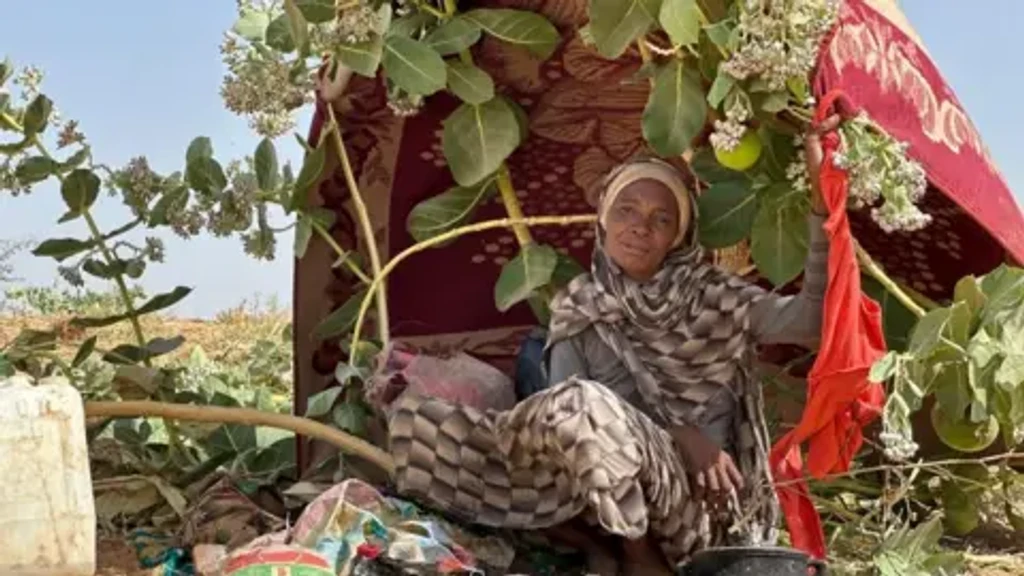
He highlights the risks journalists faced, with communication devices like Starlink being confiscated and accusations of espionage from the RSF or being a "spotter" for the army, severely limiting the transmission of truth.
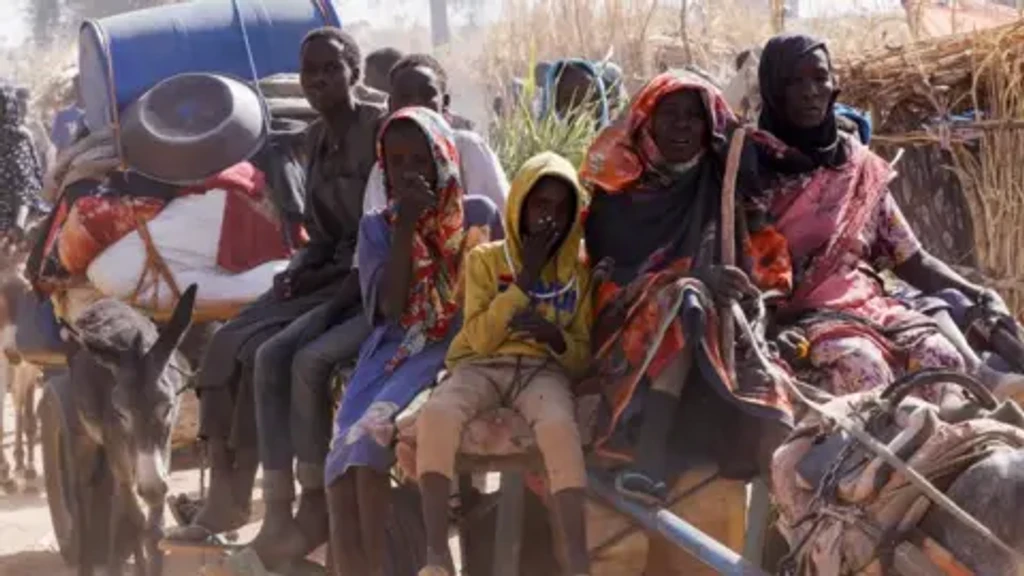
Suleiman narrowly survived a direct shell hit, lamenting the inability to call for help. He witnessed children killed by drone strikes on animal-drawn carts and describes hiding for hours during shelling. Despite the horrors, he found solace in faith and community.
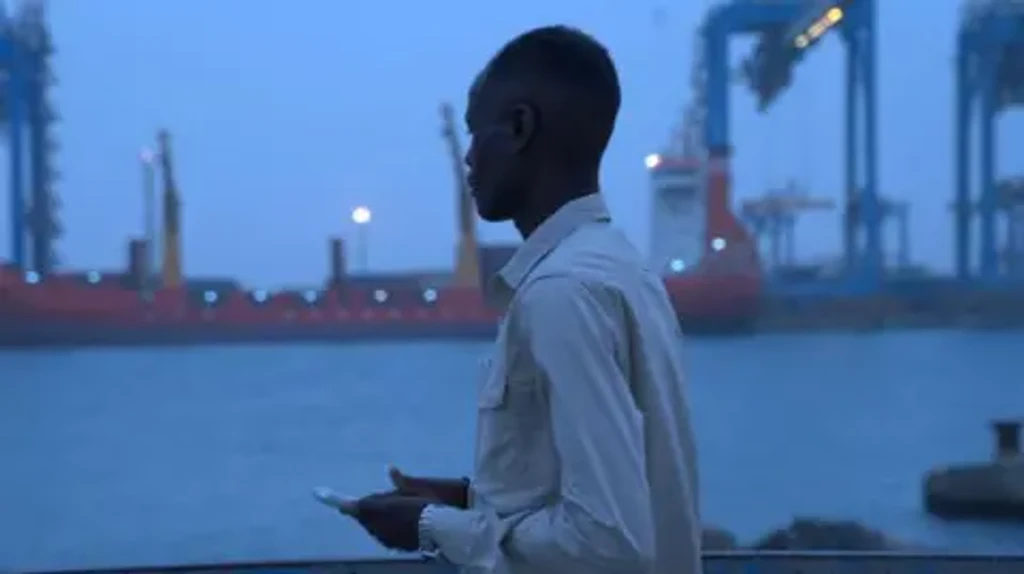
Upon reaching Port Sudan, Suleiman struggled with bureaucracy to reclaim his identity, emphasizing the plight of those emerging from war zones. He expresses bitterness over the failure of international law and organizations to prevent the ongoing humanitarian crisis. His mission now is to narrate these untold events for future generations.