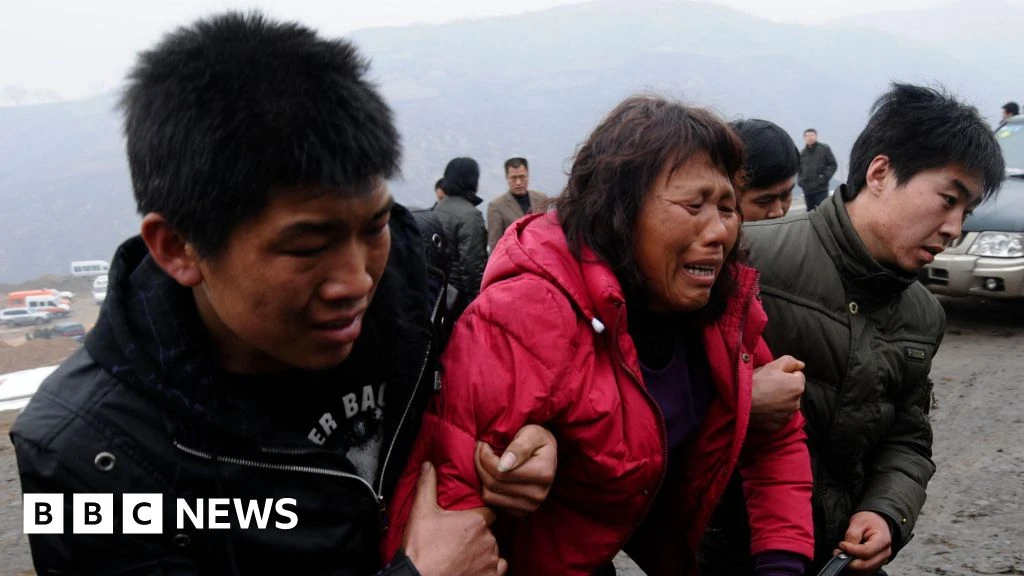
A catastrophic blast at the Liushenyu coal mine in Shanxi province has killed at least 82 people and injured more than 120, marking China's worst coal mining disaster in over 15 years. The incident underscores the persistent dangers of an industry the country is struggling to move away from.
Initial investigations reveal serious violations by the operator, Tongzhou Group. Reports indicate the mine had secret tunnels, an inaccurate blueprint, and only half of the workers underground were officially registered. Many miners were not carrying mandatory tracking devices, allegedly to conceal illegally mined coal seams.
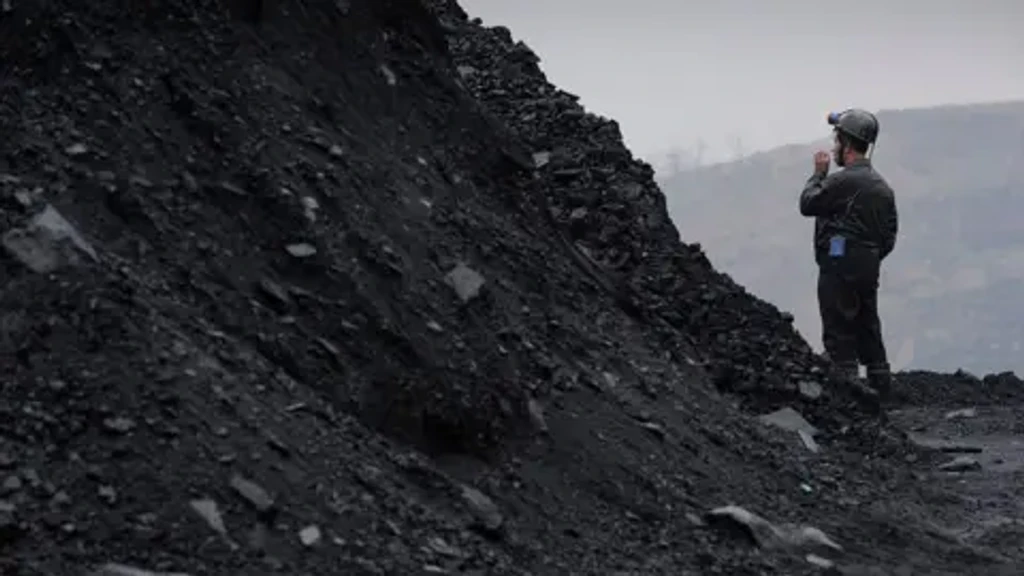
The Liushenyu mine had been flagged for safety hazards in 2024, and its parent company was penalized twice the following year. Experts say the tragedy was entirely preventable with proper management and safety systems. The government has placed company executives under control measures and halted all other operations.
This disaster comes as China, the world's largest coal producer, pivots toward renewable energy. Despite ambitious green targets, coal remains a cornerstone of energy security and a lifeline for communities in Shanxi. For miners, the risk is a grim reality. As one former miner stated, "Can the miners who died come back to life?"