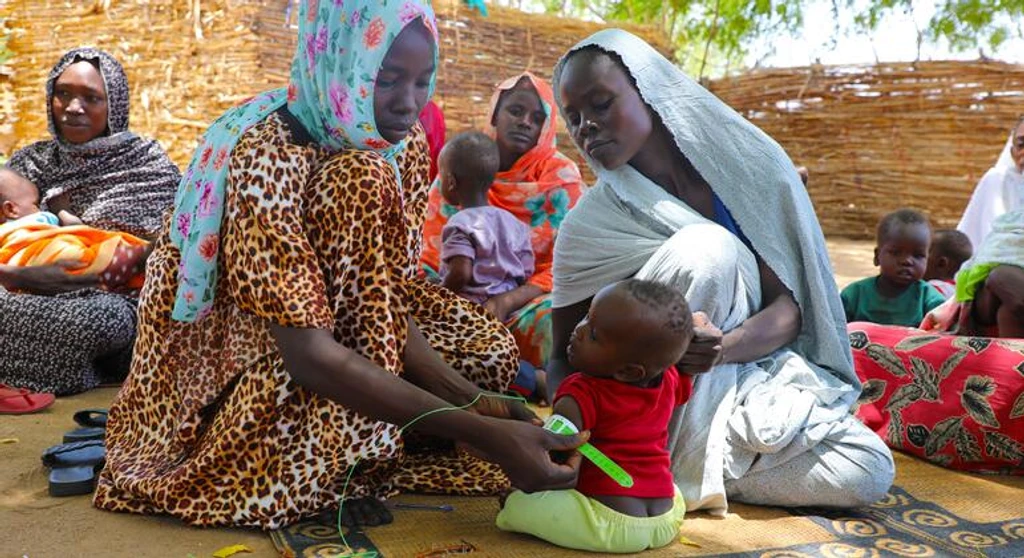
The UN reproductive health agency, UNFPA, warned Tuesday that many women in eastern Chad are being forced to give birth in overcrowded clinics with limited medicine, minimal equipment, and severe shortages of anesthesia.
The crisis is driven by a massive influx of refugees and returnees fleeing the civil war in neighboring Sudan, placing enormous pressure on Chad's fragile healthcare system.
Andrew Saberton, UNFPA Deputy Executive Director, told journalists in New York that Chad is currently hosting more than 1.3 million refugees and returnees, most of them women and children.
In Iridimi refugee camp, midwives report managing up to 300 births each month with minimal equipment, limited medicines, and almost no specialist support. Health workers described women undergoing emergency cesarean sections without adequate pain relief.
Saberton emphasized that no woman should have to endure such conditions.
Growing protection risks for women and girls compound the humanitarian situation. Many women must travel farther from camps to collect firewood, exposing them to harassment, assault, and gender-based violence.
In Wadi Fira province, authorities report more than 333,000 refugees across 81,000 households, with women and children comprising over 75 percent of the population.
Funding shortfalls threaten response efforts. UNFPA's activities in Chad face a 44 percent funding reduction this year, with only 2.5 percent of the agency's 2026 humanitarian appeal funded so far.
Saberton called for international support, noting that Chad has shown extraordinary solidarity by keeping its borders open and sharing scarce resources with those fleeing violence.