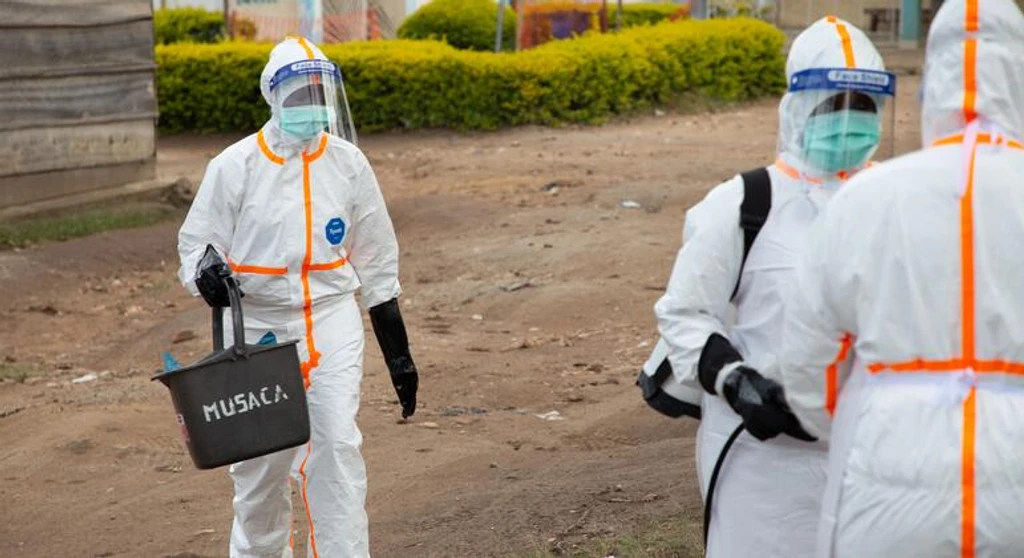
The Ebola outbreak in the Democratic Republic of the Congo has accelerated beyond national borders, prompting an intensified multinational response. As of mid-June, health authorities confirmed 896 cases and 232 deaths across 31 health zones. The virus has now spread to Uganda, which reports 19 cases and two fatalities.
World Health Organization Director-General Tedros Adhanom Ghebreyesus has called for an immediate ceasefire in eastern DRC. Ongoing clashes between government forces and the M23 armed group severely impede access to over two million displaced people in the outbreak's epicenter.
UNHCR officials warn the risk is now regional due to extensive cross-border movement linking DRC with Uganda, Rwanda, Burundi, Tanzania, and South Sudan. Agencies are reinforcing surveillance and screening at border corridors to prevent further transmission while maintaining safe passage for refugees fleeing violence.
More than 115 WHO experts have deployed to affected provinces alongside 110 metric tonnes of emergency supplies. Despite expanded diagnostic capacity, security constraints continue to limit operations in high-risk areas. The International Organization for Migration has conducted over one million screenings at 110 points of entry to track mobility patterns critical to containment.
The crisis presents severe risks for maternal health. UNFPA reports mortality rates among infected pregnant women reach 90 percent, with perinatal mortality hitting 100 percent in some settings. The agency has deployed 153 midwives to eastern DRC to provide emergency obstetric care and address gender-based violence.
Humanitarian organizations have launched urgent funding appeals to sustain operations. UNFPA seeks $17.1 million for reproductive health services, while UNHCR requests $14 million for regional preparedness. Additionally, UN partners in Uganda have appealed for $15.8 million to support national response efforts.