China is rapidly emerging as a pharmaceutical powerhouse, with a significant portion of new drug candidates entering global human trials originating from its laboratories. Goldman Sachs Research indicates that 46% of new drug molecules in trials during the first half of 2025 were from Chinese biopharma companies. This growth is centered in Shanghai's Zhangjiang district, now dubbed "Pharma Valley," attracting numerous biotech firms.
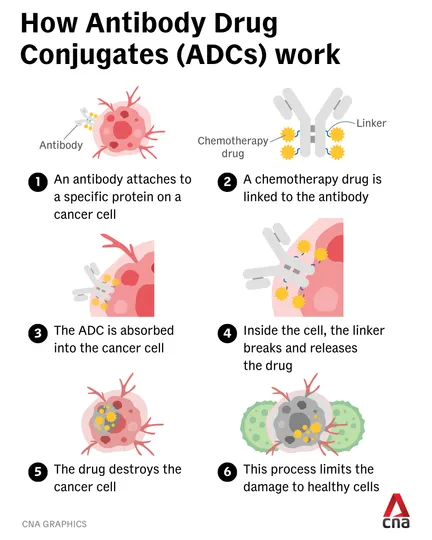
Key drivers for China's pharmaceutical rise include speed and cost advantages. The vast domestic market facilitates quick patient recruitment for clinical trials, a process significantly more expensive in the United States. Global drug companies are increasingly partnering with Chinese biotech firms, evidenced by $30 billion in oncology licensing deals from China in 2024, triple that of US labs. Antibody Drug Conjugates (ADCs), a precision cancer therapy, are a particular area of strength for Chinese firms like Shanghai-based Duality Bio, which has secured substantial deals with major pharmaceutical giants.
While the US may lead in identifying biological targets, China excels in the technical and chemical aspects of drug development, boasting strong medicinal chemists and engineers capable of scaling production. Research data shows China's share in chemistry research outpacing the US.
This biotech boom is underpinned by a decade of significant capital investment from Chinese and global private equity firms. However, China's domestic pharmaceutical market, characterized by government-driven volume-based tenders that push prices down, has created tighter profit margins. This has spurred many Chinese biotech firms to pursue out-licensing deals overseas, providing crucial funding for R&D.
Despite advancements, a perception gap persists, with some still viewing China primarily as a source of low-cost generics. However, industry insiders note a tightening of regulatory standards and successful FDA inspections, signaling a shift. China's growing strength in drug innovation is reflected in a surge of cross-border deals, with out-licensing values more than doubling from nearly $52 billion to $136 billion in 2025.
Artificial Intelligence (AI) is also playing a crucial role, accelerating the drug R&D process. Companies are leveraging AI for tasks like translation of technical documents and target identification, aiming to reduce the lengthy and costly drug development cycle, which typically spans 10-20 years and costs billions. While AI-assisted drugs are not yet approved, their potential to revolutionize drug discovery is significant, with China poised to be at the forefront of this innovation.