The US Supreme Court's ruling against President Donald Trump's use of tariffs marks a significant setback for his trade policies. However, analysts indicate this decision offers little immediate relief for the global economy.
Instead, a period of confusion is anticipated, with the expectation that President Trump will pursue alternative methods to implement tariffs. Key uncertainties remain regarding potential new tariff impositions, the possibility of refunds for previously collected duties, and whether existing bilateral trade agreements will be reopened for review.
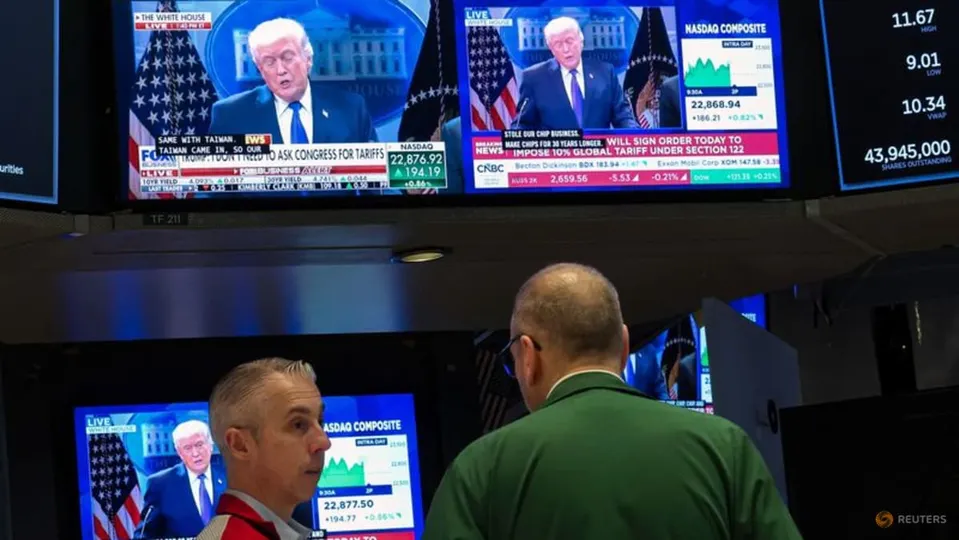
Responding to the ruling, President Trump announced new global tariffs and acknowledged the unclear timeline for any refunds. Experts predict ongoing uncertainty in world trade as parties assess future US tariff policy. Economists at ING bank stated, "tariffs are here to stay."
The ruling specifically addresses tariffs enacted under the International Emergency Economic Powers Act. This decision significantly reduces the average US tariff rate, with notable reductions for countries like China, Brazil, and India.
However, the status quo is not expected to last. The administration has signaled its intent to utilize other legal avenues to reimpose tariffs. Countries that previously entered bilateral deals with the US to mitigate tariff impacts will now assess their leverage for renegotiation. The European Parliament is set to evaluate the ruling's consequences, while Britain anticipates its privileged trading position with the US to continue.
Despite the ruling, the International Monetary Fund forecasts resilient global growth. China reported a record trade surplus in 2025, driven by exports to non-US markets as its producers adapted to trade pressures.
The Supreme Court's decision also introduces complexity for Federal Reserve policymakers. The ruling raises questions about how tariff-driven price increases will affect inflation and the economic trajectory, potentially influencing the timing of interest rate adjustments. Atlanta Fed president Raphael Bostic highlighted concerns about potential disruption and shifts in business supply chains.
Treasury Secretary Scott Bessent indicated that legal disputes over refunds could be lengthy. He also stated that the Trump administration would implement alternative import levies to compensate for the void left by the court's decision, asserting that "No one should expect that the tariff revenues will go down."