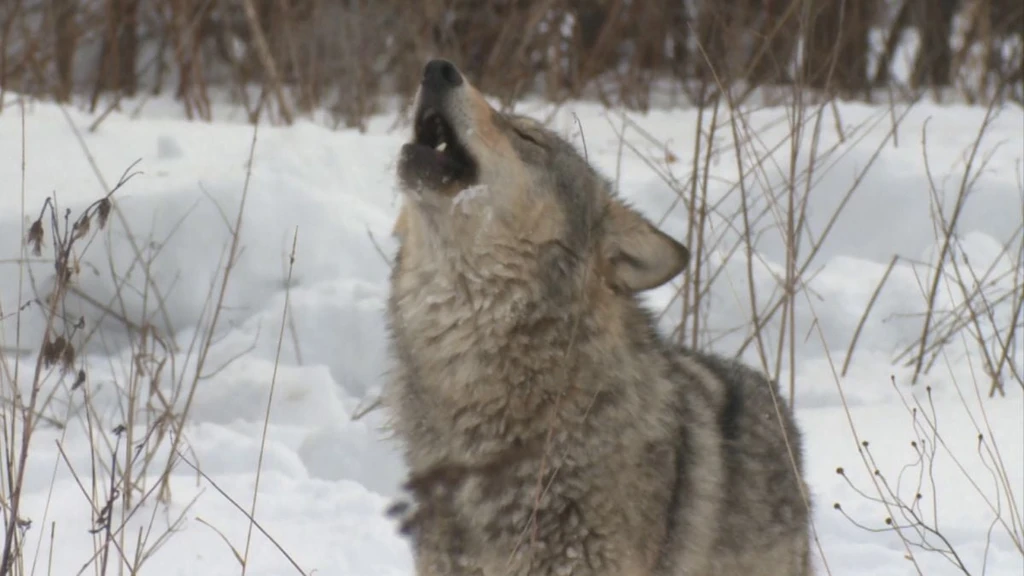
Wolves in the Chernobyl exclusion zone are thriving with a population density significantly higher than in surrounding areas. Researchers from Princeton University have identified genetic differences in these wolves compared to populations elsewhere, suggesting they may be developing traits to cope with pervasive ionizing radiation.
A new genetic study analyzed blood samples from wolves in the exclusion zone, comparing them to wolves from Belarus and Yellowstone National Park. The findings indicate 3,180 genes behave differently in Chernobyl wolves. Crucially, 23 cancer-related genes were found to be more active, linked to better cancer survival rates in humans.
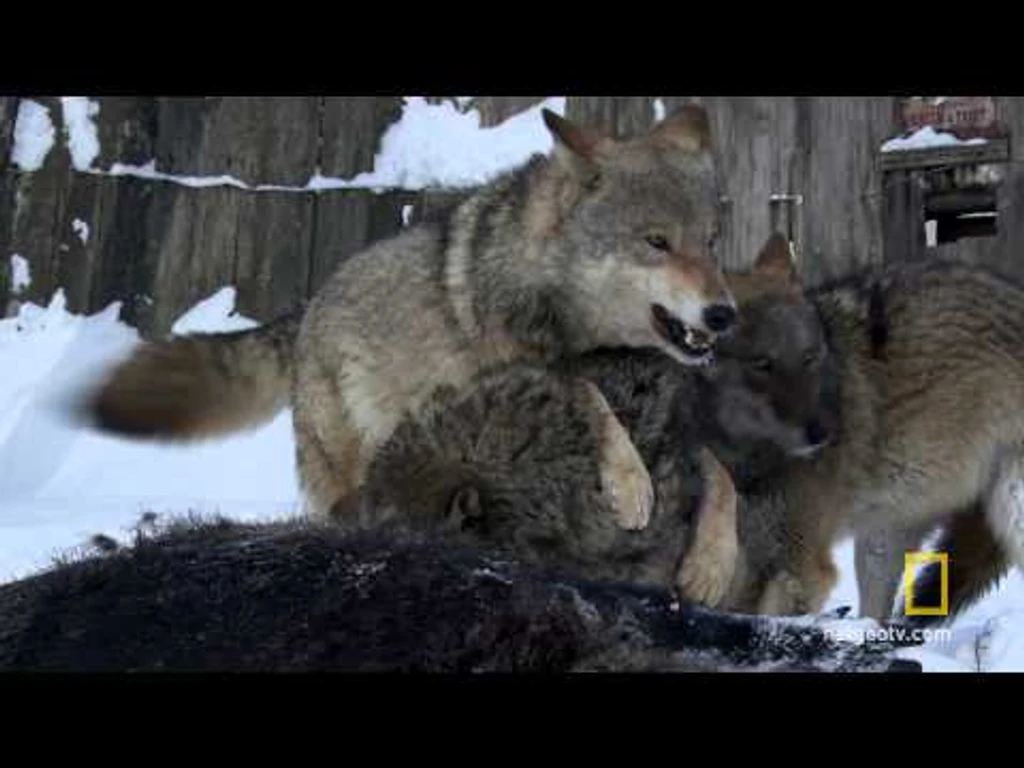
The genetic profile suggests adaptation to chronic, low-dose, multigenerational exposure to radiation. Researchers are collaborating with cancer biologists to explore potential therapeutic targets for human cancer research based on these findings.