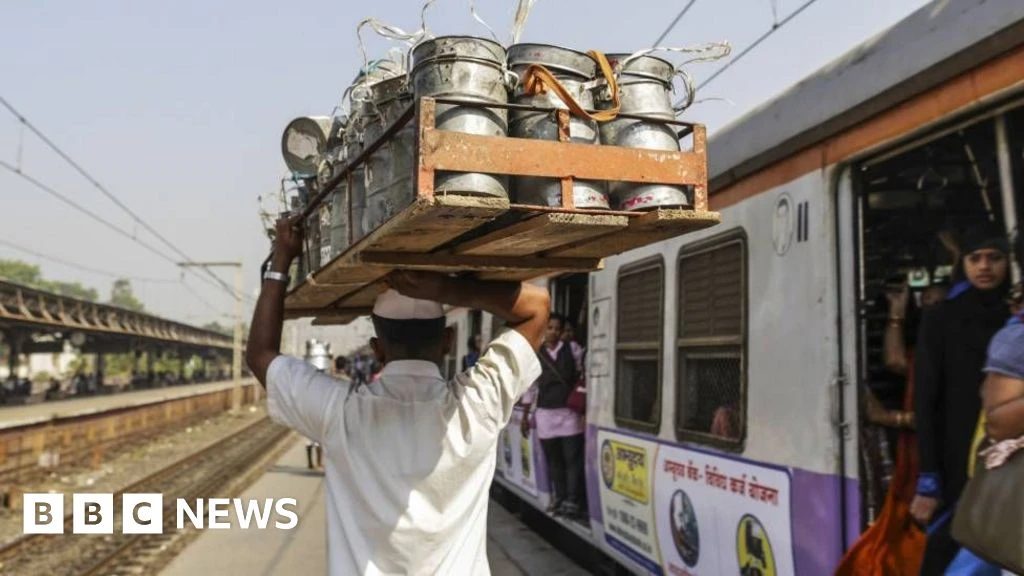
Mumbai's legendary dabbawalas, who for over 130 years have delivered hundreds of thousands of home-cooked lunches daily with near-perfect precision, are now disappearing.
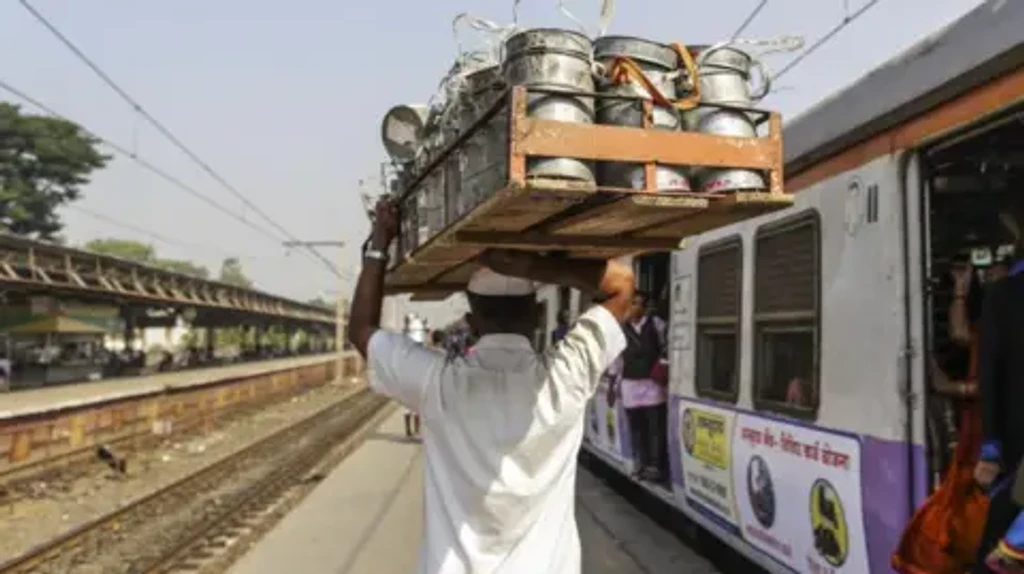
The number of registered dabbawalas has plummeted from approximately 4,500 in 2018 to roughly 1,500 today, according to the Mumbai Tiffin Box Suppliers Association. The primary cause? The rise of hybrid work models and aggressive competition from food delivery apps like Swiggy and Zomato.
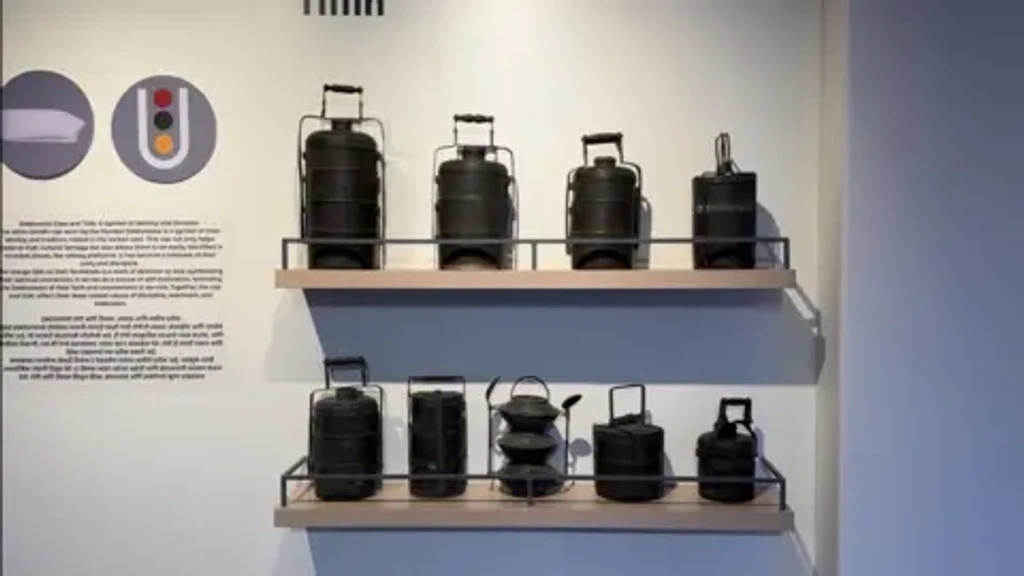
This system, born in the 1890s, relied on a complex, intuitive color-coded system and Mumbai's suburban rail network. It was once studied by Harvard Business School as a logistics marvel. However, the COVID-19 pandemic proved to be a terminal blow. With offices shuttered and employees working remotely, demand evaporated. Many dabbawalas, like 20-year veteran Balu Bhagu Shinde who saw his customer base collapse from 20 to just 2, were forced to find new work, often as rickshaw drivers.
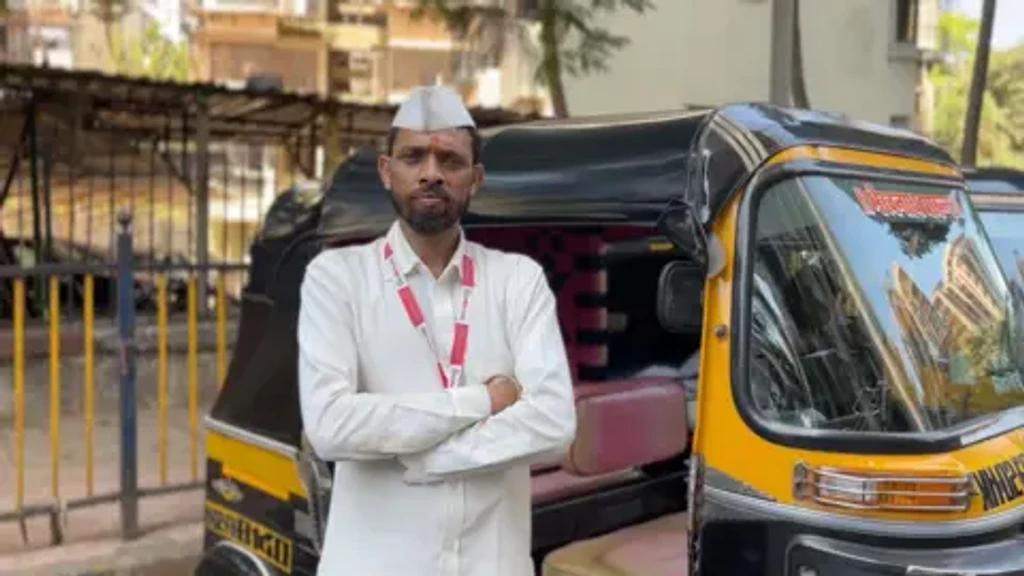
Those who remain, like 40-year-old Mauli Bachche, often take on a second job to survive. The association is now even considering shift-based models to allow for supplementary income. The younger generation is also reluctant to enter a trade with declining earnings and high costs of living. The system that once defined Mumbai's workday now faces an uncertain future, kept alive by a few who still weave through the city's trains, preserving a fast-fading tradition.