Diplomats are actively pursuing a second round of peace talks between the United States and Iran following the imposition of a US naval blockade on Iranian ports. President Donald Trump indicated a potential resumption of negotiations within days, possibly in Pakistan's capital.
United Nations Secretary-General Antonio Guterres expressed optimism, citing a meeting with Pakistan's deputy prime minister and emphasizing the necessity of diplomatic engagement. "Serious negotiations must resume," he stated.
An earlier round of talks failed to secure a permanent end to the conflict, with Iran's nuclear program cited as a major obstacle. The current standoff risks reigniting hostilities and exacerbating the economic impact of the ongoing regional war.
Pakistan has proposed hosting the follow-up discussions, a move reportedly agreed upon by both Tehran and Washington. Potential host cities being considered include Islamabad and Geneva, though details are still being finalized.
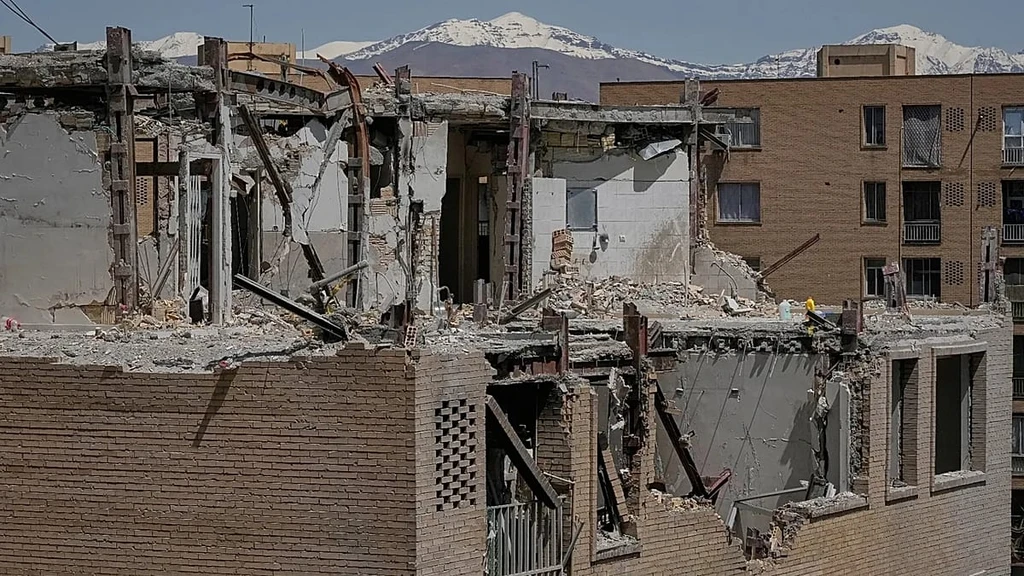
The conflict, now in its seventh week, has significantly disrupted global markets and the economy, with extensive damage to infrastructure and a considerable loss of life across the region, including US service members.
CENTCOM confirmed that the US naval blockade successfully prevented six vessels from leaving Iranian ports in its initial 24 hours. The operation involves a substantial deployment of US troops, warships, and aircraft in the Middle East.
Despite official statements, maritime data suggests at least two ships may have navigated through the Strait of Hormuz. This critical energy chokepoint, vital for global oil and LNG shipments, has faced disruptions, leading to significant increases in energy prices.