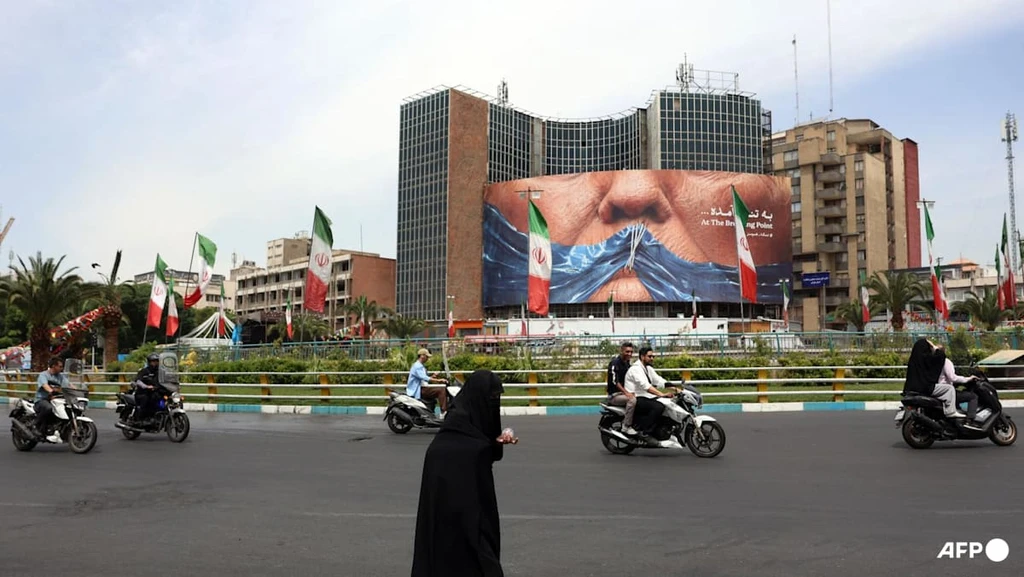
Israel launched renewed airstrikes on Iran on Monday, directly defying President Donald Trump’s public calls for restraint. The move is widely seen as an attempt to force Washington to include Israel in negotiations for a peace deal with Tehran.
Despite Trump’s demands to hold fire, Israel struck Iranian targets for the first time since a ceasefire in April. Iran retaliated with missiles, but both sides halted the exchange shortly after Trump told them to stop.
Analysts say Israel is sending a clear message: no final agreement with Iran can work if it ignores Israeli security interests. Military historian Danny Orbach of Hebrew University said, “If it tramples too heavily on Israeli interests, Israel can overturn the table.”
Trump, who launched the war alongside Israel in February, has been trying to negotiate a settlement with Iran while excluding Israel from the talks. He has publicly prodded Prime Minister Benjamin Netanyahu to avoid actions that could derail the process, including holding fire in Lebanon, which Israel invaded in March to target the Iran-aligned Hezbollah movement.
Iran has stated it will not agree to any peace deal unless a ceasefire also holds in Lebanon.
Last week, Netanyahu called off airstrikes on Beirut after a tense phone call with Trump. Critics at home accused him of surrendering sovereignty by restricting military action to sustain US negotiations without a seat at the table.
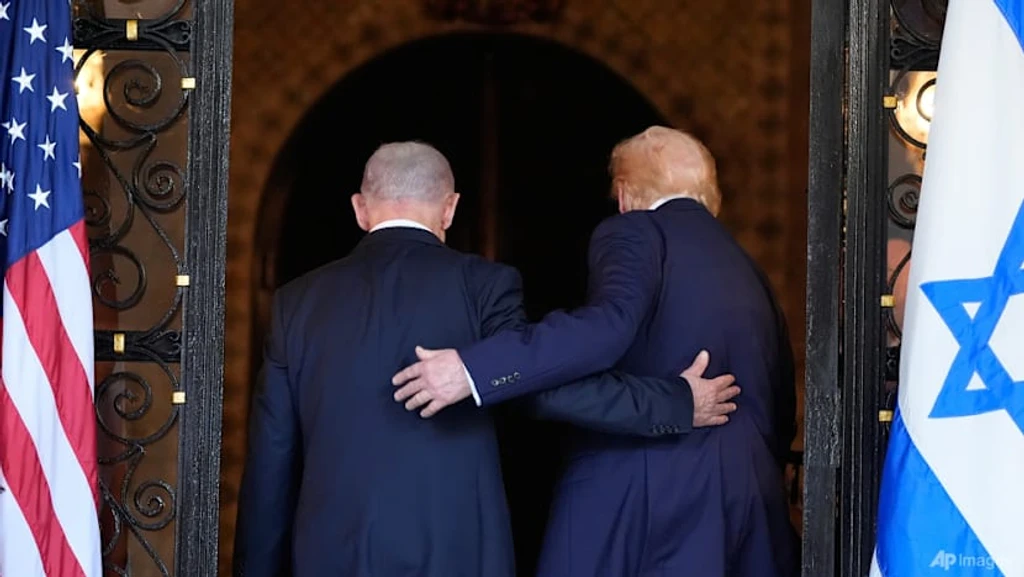
After Israel’s strike on Lebanon and Iran’s response, Trump told Axios, “Each of them had their fun. Israel had its strike and Iran had its strike. We don’t need another one.”
But Israel concluded that only by striking Iran could it establish that Tehran should not dictate Israeli actions in Lebanon. A senior Israeli defense official said one goal was to ensure any future US-Iran deal preserves Israel’s right to attack Hezbollah in southern Lebanon and keep troops deployed there.
Military experts caution that Israel cannot sustain a prolonged air campaign against Iran without US support. Yehoshua Kalisky of the Institute for National Security Studies said, “There’s no doubt that Israel cannot go alone in this war for a long, long time, because the ammunition is consumable.”