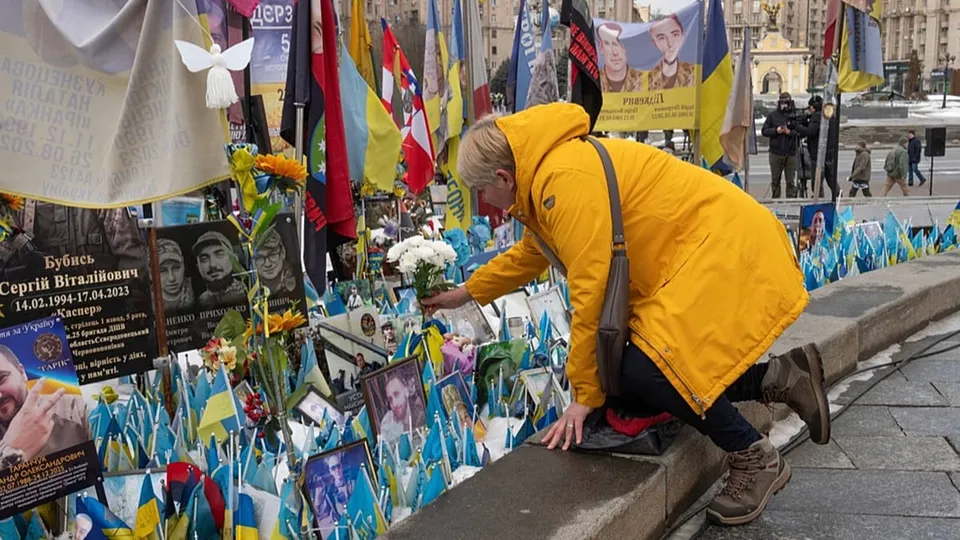
European nations reiterated their unwavering support for Ukraine as the conflict with Russia entered its fifth year. Leaders from Denmark, Estonia, Norway, and the European Commission convened in Kyiv, pledging continued financial and military aid. French President Emmanuel Macron condemned the "shattered lives" and "war crimes", reaffirming France's commitment.
Public opinion in France shows sustained support for arms deliveries, though enthusiasm has decreased since 2022. While a majority still back continued military aid, opinions on peacekeeping troop deployment are divided. A significant portion of the French public also favors resuming direct negotiations with Russian President Vladimir Putin.
In Spain, a prevailing pessimism surrounds the war's future. Most Spaniards believe Ukraine cannot regain occupied territories and doubt a swift end to the conflict. Despite this outlook, a strong majority supports continued European military assistance, with a notable portion backing the deployment of Spanish troops for post-war security.
Portugal demonstrates broad support for EU funding for Ukraine, with Lisbon actively participating in aid initiatives. While state-to-state financial support garners less backing, a majority favor Portuguese troop involvement in NATO operations or peacekeeping. Portuguese citizens largely reject territorial concessions for Ukraine in any peace deal.
Germany's public opinion favors increased aid to Ukraine, with a slight majority supporting additional military and financial assistance. Respondents generally prefer an equal split between weapons and financial support. However, a substantial minority opposes continued support for Ukraine.