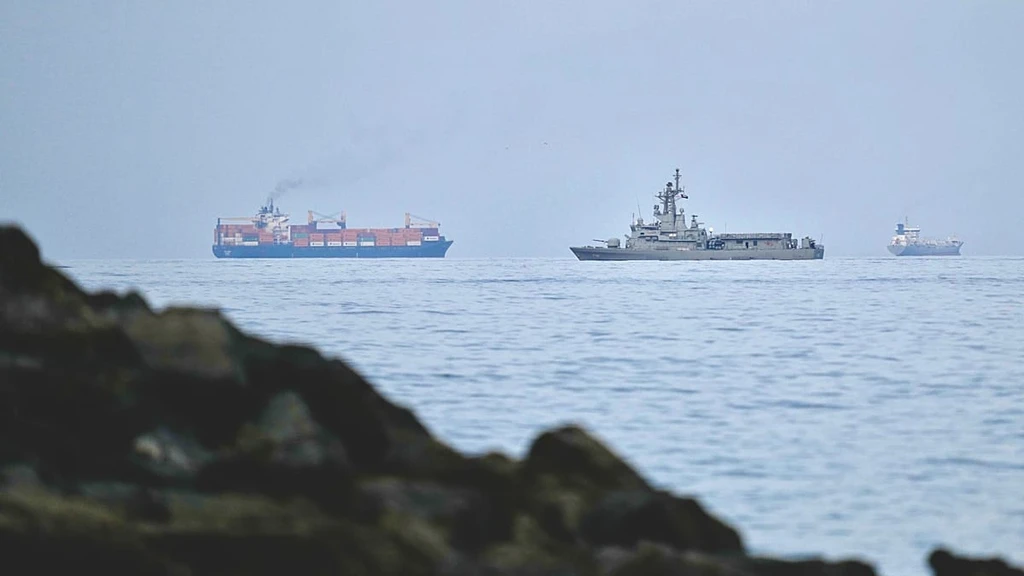
European nations and Japan have pledged to support efforts to secure the Strait of Hormuz as tanker traffic resumes selectively. In a joint statement, Britain, France, Germany, Italy, the Netherlands, and Japan condemned attacks on commercial vessels and expressed willingness to ensure safe passage through the waterway.
Maritime data shows that around 90 ships, including oil tankers, crossed the strait in the first two weeks of March, though this is far below normal levels. Analysts say the strait is now operating on a selective basis, with some vessels allowed through while others face heightened risks.
The crisis began after U.S. and Israeli strikes on Iran, leading to increased attacks on ships and delayed voyages. A Malta-flagged container ship was hit by a projectile, forcing its crew to abandon it. Dozens of vessels have slowed or delayed movements in Gulf waters.
Iran has warned it could target ships passing through the strait if attacks on its territory continue. Despite the disruption, some vessels have continued transit under specific conditions, particularly those linked to Iran or with diplomatic arrangements. Iran has maintained oil exports, with trade data showing millions of barrels shipped despite reduced traffic.
The Strait of Hormuz remains a critical energy route, carrying about a fifth of global oil supply and key liquefied natural gas exports from the Gulf.