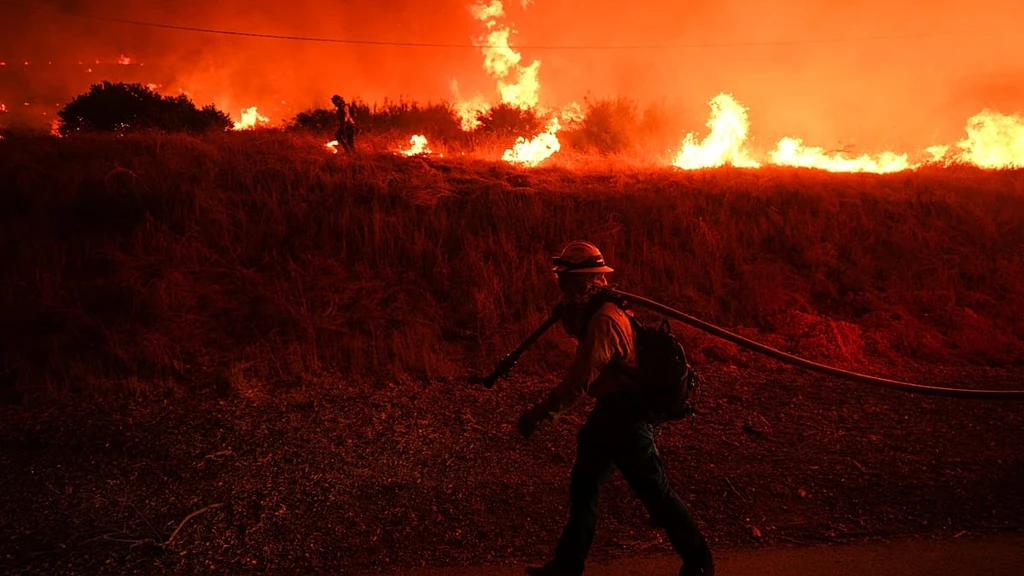
Meteorologists have confirmed the formation of a historic El Niño in the Pacific Ocean. The US National Oceanic and Atmospheric Administration states there is a 63 percent chance this warming cycle will rank among the strongest events since 1950. Experts warn this natural phenomenon will compound existing fossil fuel-driven warming to turbocharge extreme weather globally.
United Nations Secretary-General António Guterres has issued an urgent climate warning regarding the event. He stated that El Niño conditions will intensify heat in an already warming world. Forecasters predict the pattern could rival or exceed the record 1997 event which caused billions of dollars in infrastructure and agricultural damage.
Regional impacts will vary significantly across global markets. While Atlantic hurricane activity may decrease, Pacific storm risks rise. Western South America faces heavy flooding while Australia confronts drought and wildfires. In the United States, the agriculture sector sees mixed outcomes. Soybean conditions appear favorable in major growing states, yet dairy and cattle operations face uncertainty. Stanford economists warn that above-normal temperatures historically correlate with slower American economic growth.
Climate scientists project 2027 could become the hottest year on record due to lagging thermal effects. This El Niño shows signs of peaking earlier than usual and lasting longer into next year. Researchers emphasize that preparation for severe weather volatility is now critical for governments and industries alike.