The Iran war's impact on global oil markets is hitting European drivers hard, with pump prices spiking over 30% in some countries. Governments are deploying billions in relief.
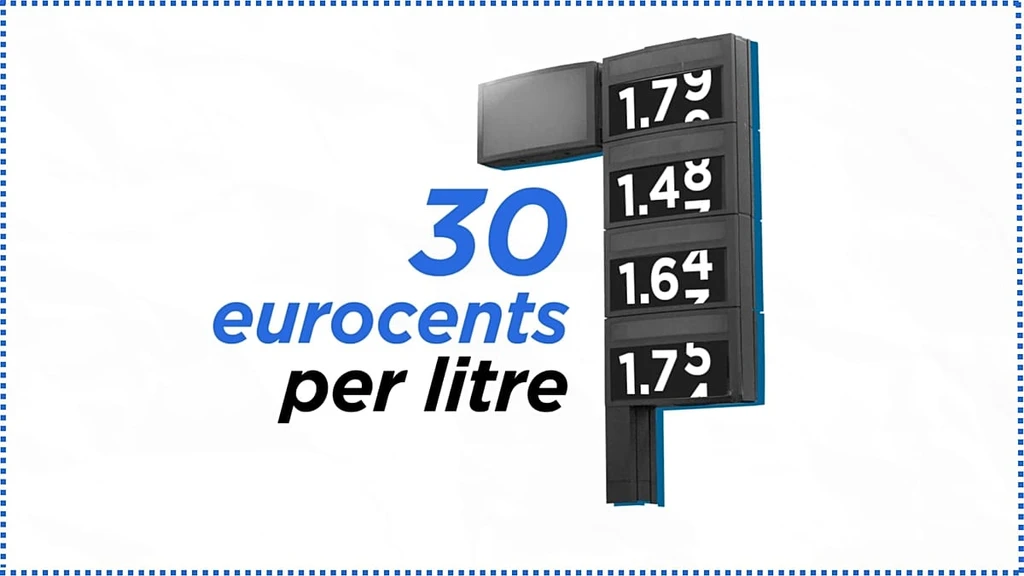
Spain launched a €5 billion package, cutting VAT on motor fuels from 21% to 10%, aiming to reduce prices by around 30 eurocents per litre.
Poland followed, dropping fuel VAT from 23% to 8% for similar savings, and introduced price controls.
Hungary imposed strict price controls, but only for vehicles with Hungarian plates to curb cross-border fuel tourism.
Germany is pushing a rule allowing petrol stations to raise prices only once daily at noon. Austria limits hikes to three times a week.
France avoided massive tax cuts, relying on corporate giants like TotalEnergies to voluntarily cap prices.
The benefit to citizens hinges on whether oil companies absorb the tax differences. Italy is threatening sanctions on firms trying to inflate margins.
For European politicians, spending public money is costly, but there is little public appetite to join the US and Israel in active conflict. At the recent G7, Europe offered a firm reality check to Washington: they will help protect the Strait of Hormuz only after the war in Iran ends.